For importers and brands, understanding how a professional boot factory operates is essential for evaluating supplier reliability and product quality.
From design and sampling to mass production and final delivery, every step in the manufacturing process directly impacts the performance of the final product.
In this guide, we take you inside a professional rubber boot factory and explain the complete process from concept to container.
🏭 1. Product Design & Development
Every successful boot starts with a well-planned design.
Key Steps:
- Market research and product positioning
- Structure design (boot height, sole pattern, insulation)
- Material selection (rubber, neoprene, PVC)
- Technical drawings and specifications
For OEM Projects:
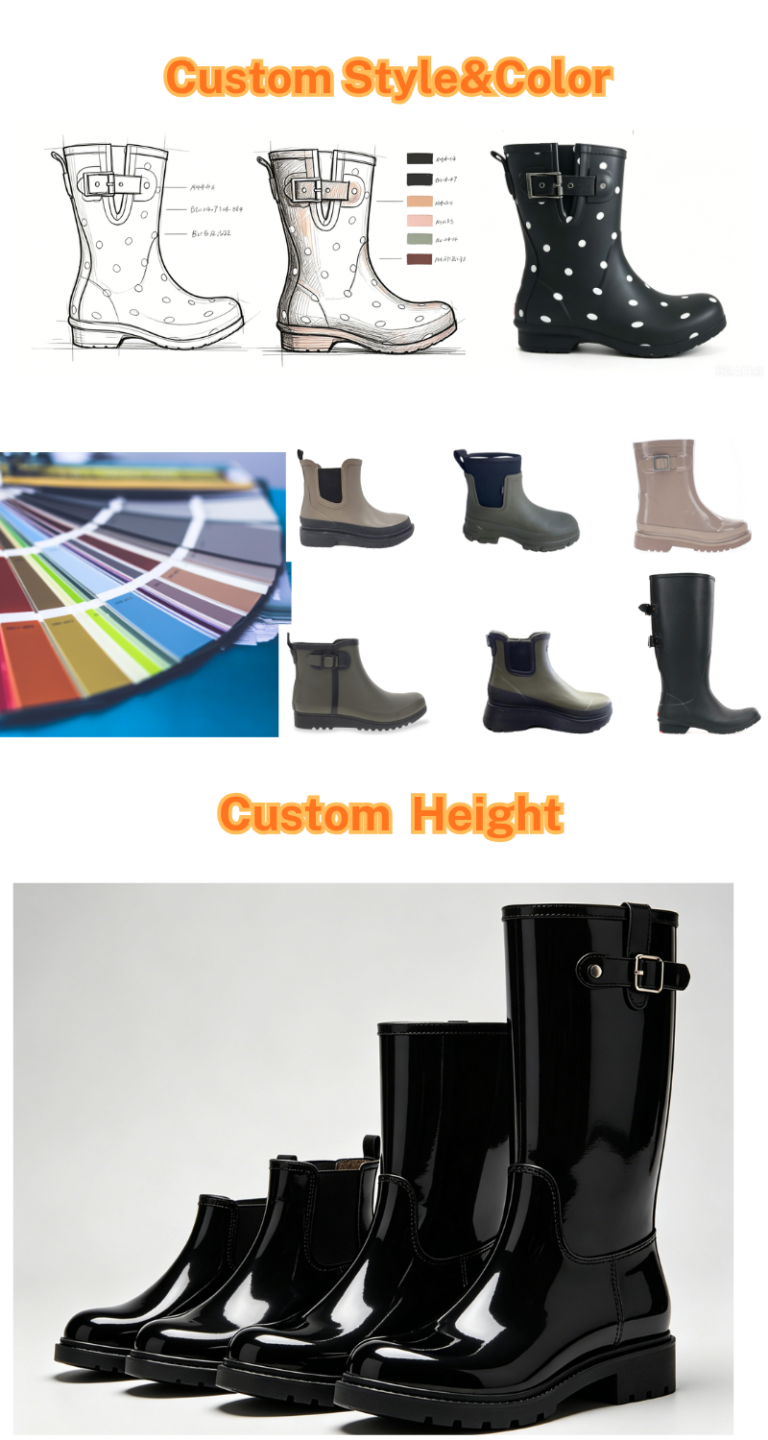
- Custom design based on client requirements
- Branding and logo integration
👉 Buyer Tip:
A strong factory should be able to turn your idea into a technical drawing quickly.
🧪 2. Sampling & Prototype Development
Before mass production, samples are created to validate the design.
Typical Sampling Process:
- Mold preparation
- Material testing
- Prototype assembly
- Client approval
Timeline:
- 7–15 days depending on complexity
👉 Sampling ensures that design, fit, and performance meet expectations before bulk production.
⚙️ 3. Material Preparation
Material quality determines the durability and performance of boots.
Common Materials:
- Natural rubber (flexibility & durability)
- Neoprene (insulation)
- PVC (cost-effective alternative)
Key Processes:
- Rubber mixing and formulation
- Sheet or liquid preparation
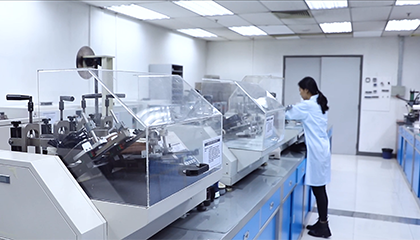
- Quality testing before production
👉 High-quality factories strictly control raw materials before production begins.
🏗️ 4. Production & Assembly
This is the core stage of manufacturing.
Main Production Steps:
- Upper construction (hand-lasted or molded)
- Sole molding and attachment
- Seam bonding or welding
- Reinforcement of stress areas
Production Capacity:
- Professional factories can produce 2,000+ pairs per day
👉 Consistent production capacity is a sign of a reliable supplier.
🔥 5. Vulcanization Process
Vulcanization is a critical step in rubber boot manufacturing.
What It Does:
- Strengthens rubber structure
- Improves elasticity
- Enhances durability
Process:
- High-temperature curing
- Controlled pressure environment
👉 Poor vulcanization leads to cracking and reduced lifespan.
💧 6. Waterproof Construction & Testing
Waterproof performance is a key requirement for hunting and outdoor boots.
Techniques Used:
- One-piece molding
- High-frequency welding
- Seam sealing
Testing Methods:
- Water immersion test
- Pressure spray test
- Leak inspection
👉 Reliable factories ensure 100% waterproof performance before shipment.
🧪 7. Quality Control System
Quality control is implemented at every stage.
QC Stages:
Incoming Inspection
- Raw material testing
- Compliance verification
In-Process Inspection
- Adhesion strength
- Size accuracy
Final Inspection
- Waterproof testing
- Visual defect check
- Packaging inspection
👉 Strict QC reduces defect rates and ensures consistent quality.
📦 8. Packaging & Logistics
After production, boots are prepared for shipment.
Packaging Options:
- Individual boxes
- Bulk packaging
- Custom branding
Logistics Process:
- Carton packing
- Container loading
- Export documentation
👉 Proper packaging protects products during long-distance shipping.
🌍 9. Delivery & After-Sales Support
Reliable suppliers provide full support even after shipment.
Key Services:
- On-time delivery
- Shipping tracking
- After-sales communication
- Issue resolution
👉 Long-term cooperation depends on strong service, not just production.
⚠️ 10. How to Identify a Professional Boot Factory
When evaluating suppliers, look for:
Key Indicators:
- Clear production workflow
- In-house sampling capability
- Stable production capacity
- Transparent quality control system
Red Flags:
- No clear process explanation
- Inconsistent product quality
- Poor communication
📈 Conclusion
A professional boot factory ensures quality and reliability through:
- Structured design and development
- Strict material control
- Advanced manufacturing processes
- Comprehensive quality inspection
Understanding these processes helps buyers make informed sourcing decisions and build long-term partnerships.
📞 Call to Action
Looking for a Professional Rubber Boot Factory?
We provide:
- OEM & ODM services
- Fast sampling (7–15 days)
- Stable production capacity (2,000+ pairs/day)
- Strict quality control system
👉 Contact us today to learn more about our factory and get a quotation.
❓ FAQ Section
Q1: How long does it take to manufacture rubber boots?
Sampling takes 7–15 days, and mass production typically takes 30–45 days.
Q2: What is the most important step in boot manufacturing?
Quality control and vulcanization are critical for durability and performance.
Q3: How can I verify a factory’s capability?
Request factory videos, production data, and quality inspection reports.