Neoprene vs. Breathable Waders: Which Is Right for You in 2026?
By pettysana@gmail.com
5 Min Read
For anyone who fishes, hunts, or works in and around water, choosing between neoprene waders and breathable waders is one of the most critical gear decisions. The wrong pair can leave you cold, sweaty, or soaked—ruining a day outdoors. In 2026, advanced materials and design have sharpened the strengths of each type. This guide compares neoprene vs. breathable waders across performance, comfort, durability, and cost to help you choose.
What Are Neoprene Waders?
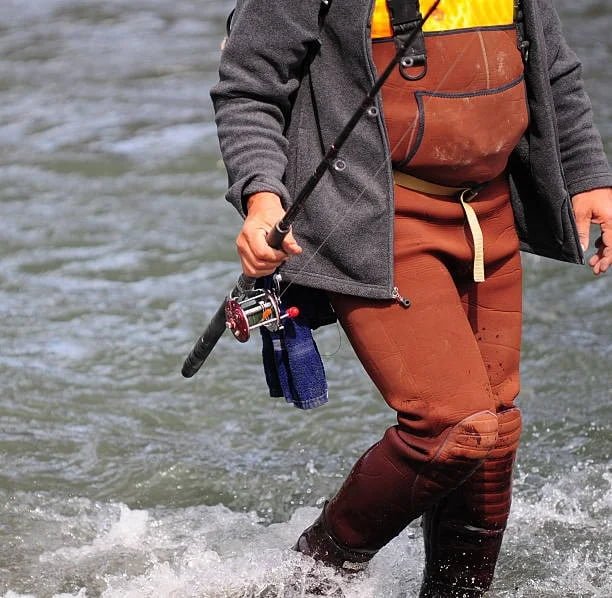
Neoprene waders are made from thick, rubber-like synthetic foam (3.5mm–5mm typical). They function like a wetsuit, trapping body heat to provide natural insulation.
Pros of Neoprene Waders
Unmatched Insulation: Exceptional warmth in frigid water (below 50°F/10°C). Ideal for winter fishing, late-season waterfowl hunting, and icy streams.
Superior Durability: Resists punctures, abrasions, and brush damage. Perfect for rough terrain.
Budget-Friendly: Lower upfront cost than premium breathable models.
Waterproof Reliability: Thick material minimizes leak risks with proper care.
Cons of Neoprene Waders
Heavy & Bulky: Tiring for long hikes or frequent movement.
Poor Breathability: Traps sweat; causes overheating in mild/warm weather.
Limited Versatility: Best only in cold conditions.
Bulky Storage: Takes more space than lightweight breathable options.
What Are Breathable Waders?
Breathable waders use high-tech membranes (GORE-TEX, QuadraLam, DRIPore) that block external water but release sweat vapor. They’re lightweight and versatile.
Pros of Breathable Waders
Exceptional Breathability: Prevents sweat buildup during hiking or active fishing.
Lightweight & Flexible: Reduces fatigue; great for all-day wear.
Year-Round Versatility: Layer underneath for cold; wear light in warmth.
Quick Drying: Fast to dry after use.
Modern Comfort: Articulated knees, adjustable straps, ergonomic designs.
Cons of Breathable Waders
Less Insulation: No natural warmth—depends on layering.
Higher Cost: Premium models cost more.
Puncture Risk: Thinner fabric needs careful use.
Maintenance: Requires proper cleaning to preserve membrane function.
Neoprene vs. Breathable Waders: Head-to-Head Comparison
Feature
Neoprene Waders
Breathable Waders
Best For
Cold water (<50°F), stationary use, harsh terrain
Mild/warm water (>50°F), active use, hiking
Weight
Heavy (bulky)
Lightweight (30–50% lighter)
Warmth
Excellent (natural insulation)
Good (with proper layers)
Breathability
Poor
Excellent
Durability
High (puncture-resistant)
Moderate (softer fabric)
Price
$50–$200 (budget to mid-range)
$150–$500+ (premium)
Seasonality
Winter/cold only
All-season
Mobility
Limited
Excellent
How to Choose: Key Questions
What’s the water temperature?
Below 50°F (10°C): Choose neoprene.
Above 60°F (15°C): Choose breathable.
50–60°F: Active use → breathable; stationary → neoprene.
How active will you be?
Hiking, climbing, long days: breathable reduces fatigue.
Stationary fishing/hunting: neoprene for warmth.
What’s your budget?
Entry-level or occasional use: neoprene saves money.
Partner with Hengrun Outdoor. We combine 20 years of craftsmanship with modern manufacturing tech to deliver high-performance boots that meet global standards.