Waterproof performance is the most critical factor in rubber boots, especially for hunting, fishing, and industrial use. Even minor leakage can lead to product failure, customer complaints, and brand damage.
But how do manufacturers ensure that boots are truly 100% waterproof?
In this guide, we explain the technologies, materials, and testing methods used to guarantee waterproof performance in high-quality boots.
💧 1. What Does “100% Waterproof” Really Mean?
Not all “waterproof” boots are created equal.
True Waterproof Boots Must:
- Prevent water penetration under pressure
- Maintain waterproof performance after repeated flexing
- Perform in extreme environments (mud, snow, water)
👉 Important:
Water resistance is not the same as waterproof. Many low-cost boots only offer limited protection.
🏗️ 2. One-Piece Construction: The Foundation of Waterproofing
The most reliable way to prevent leakage is minimizing seams.
Key Method:
- One-piece molded boot structure
Benefits:
- No weak stitching points
- Reduced risk of water penetration
- Improved durability
👉 Seamless construction is the foundation of high-performance waterproof boots.
⚡ 3. High-Frequency Welding Technology
For boots that require multiple components, welding technology is critical.
What Is High-Frequency Welding?
A process that uses electromagnetic energy to bond materials together.
Advantages:
- Stronger than traditional stitching
- Seamless bonding
- Long-lasting waterproof performance
👉 This method is widely used in premium hunting boots and waders.
🧵 4. Seam Sealing & Reinforcement
Even with advanced construction, some joints require reinforcement.
Techniques Used:
- Heat-sealed seams
- Adhesive bonding
- Reinforcement layers at stress points
Common Weak Areas:
- Toe bending zones
- Sole connection
- Upper joints
👉 High-quality boots strengthen these areas to prevent leakage over time.
🧪 5. Waterproof Testing Methods
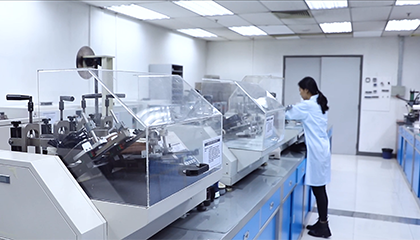
Reliable manufacturers perform strict testing before shipment.
Main Testing Methods:
Water Immersion Test
- Boots are submerged in water
- Checked for leakage
Pressure Spray Test
- Simulates heavy rain and water pressure
Flex Testing
- Up to 100,000 flex cycles
- Ensures no cracks or leaks after repeated use
👉 Testing is the only way to guarantee real waterproof performance.
🧱 6. Material Selection Matters
Even the best technology fails without the right materials.
Recommended Materials:
Natural Rubber
- Excellent waterproof properties
- Flexible and durable
Neoprene
- Adds insulation
- Maintains flexibility in cold conditions
High-Grade PVC
- Cost-effective alternative
- Suitable for certain applications
👉 Poor materials often lead to cracking and leakage.
🥶 7. Waterproof Performance in Extreme Conditions
Waterproof boots must perform in harsh environments.
Key Challenges:
- Low temperatures (down to -30°C)
- Mud and uneven terrain
- Long exposure to water
👉 Low-quality boots often fail in cold weather due to material stiffness.
⚠️ 8. Common Causes of Water Leakage
Understanding failure points helps buyers avoid poor products.
Main Causes:
- Weak seams or stitching
- Poor bonding between sole and upper
- Low-quality materials
- Inadequate testing
👉 Most waterproof failures are caused by manufacturing defects—not design.
🏭 9. How to Identify Truly Waterproof Boots
For buyers and brands, verifying waterproof quality is essential.
What to Check:
- Manufacturing method (molded vs stitched)
- Testing reports
- Material specifications
- Sample testing results
👉 Always request testing videos or reports before placing bulk orders.
📦 10. OEM Waterproof Customization Options
Professional manufacturers can customize waterproof performance.
Options Include:
- Enhanced seam sealing
- Upgraded materials
- Reinforced outsole design
- Specialized coatings
👉 Custom waterproof solutions help brands stand out in competitive markets.
📈 Conclusion
Ensuring 100% waterproof boots requires a combination of:
- Advanced construction techniques
- High-quality materials
- Strict quality control
- Comprehensive testing
For brands and importers, working with a reliable manufacturer is the key to delivering durable, waterproof products to the market.
📞 Call to Action
Looking for 100% Waterproof Boot Manufacturing?
We offer:
- Advanced waterproof construction technology
- Strict testing procedures
- OEM & ODM customization
- Stable bulk production
👉 Contact us today to get samples and technical details.
❓ FAQ Section
Q1: Are all rubber boots 100% waterproof?
No. Only boots with proper construction and testing can guarantee full waterproof performance.
Q2: What is the best waterproof boot material?
Natural rubber provides the best waterproof performance and durability.
Q3: How can I test waterproof boots?
Use water immersion and flex testing to check for leakage.