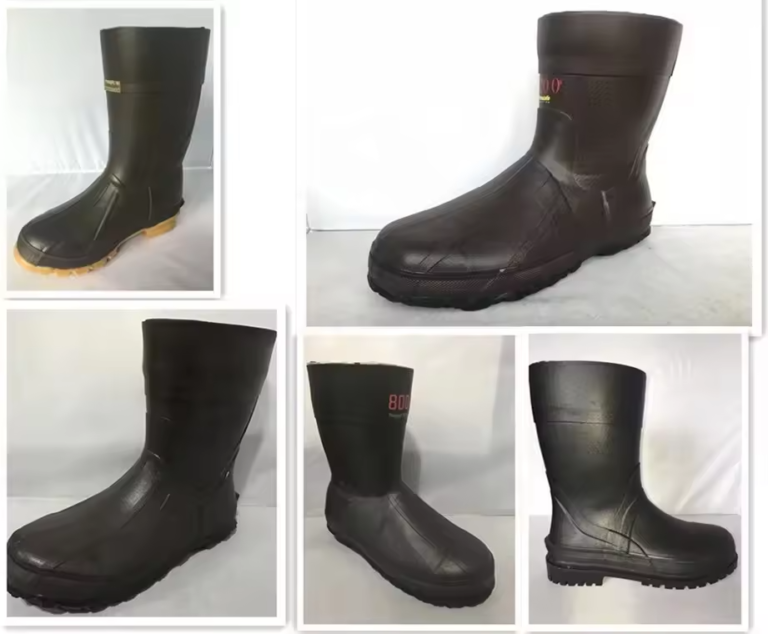
Building a new outdoor gear brand comes with massive opportunities, yet most first‑time brand owners underestimate how complex it is to bring private‑label rubber hunting boots & waders to market. Unlike general‑fashion rubber shoes, hunting‑focused rubber boots and neoprene waders are high‑performance outdoor goods. They must stand up to mud, cold water, sharp brush, long‑hour field use, while carrying your unique brand logo, custom colors, and retail‑ready packaging.
Many startup outdoor brands jump straight to contacting factories with rough ideas, only to face flawed samples, leaking wader seams, unexpected mold fees, non‑compliant materials, and delayed launch timelines. Without a structured product‑development roadmap, private‑label projects can burn through startup budgets before your product ever reaches customers. This complete, end‑to‑end guide walks new brand owners through every actionable step to develop market‑ready private‑label rubber hunting boots and waders, from initial concept all the way to finished shipment.
Phase 1: Define Clear Product & Brand Requirements Before Approaching Factories
The number‑one cause of failed private‑label footwear projects is vague product briefs. Before reaching out to any OEM manufacturer, you need to lock in concrete requirements for your hunting boots and waders. Ambiguous descriptions leave factories to fill in technical gaps on your behalf, which often results in finished goods that do not match your brand vision or performance expectations.
- Define your target end‑user: casual recreational hunters, professional outdoorsmen, women‑specific fits, or youth‑sized product lines
- Document hard performance standards: rubber thickness, neoprene liner thickness, cold‑weather insulation rating, waterproof benchmarks, anti‑slip and tear‑resistance requirements
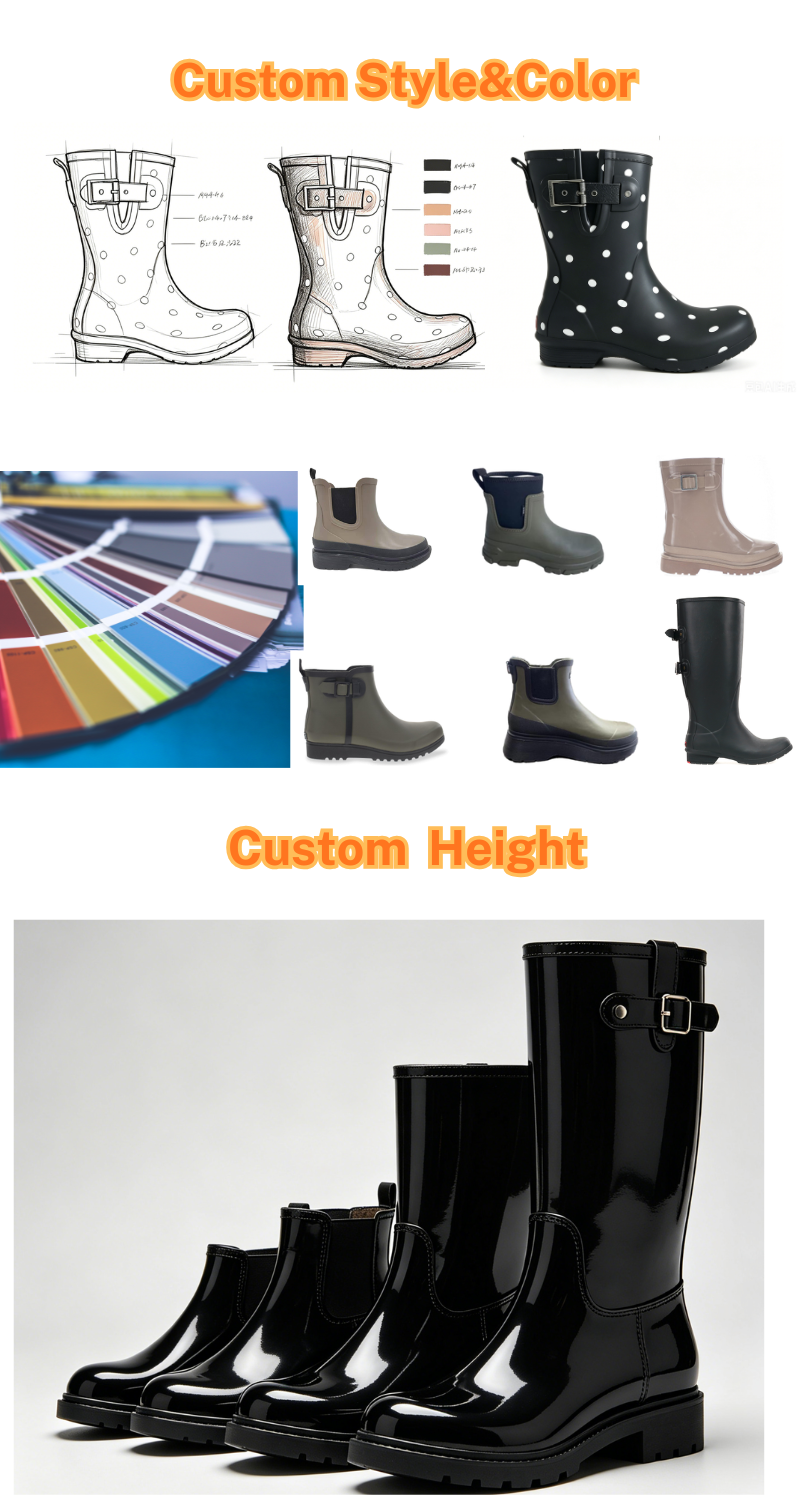
- List private‑label customizations: logo embossing or printing, custom Pantone colorways, retail boxes, hang tags, and custom size charts
- Set business boundaries: target MOQ, landed cost budget, hard launch deadline, and primary sales markets
Separate your “must‑have” custom features from “nice‑to‑have” upgrades. Too many custom modifications at the early stage will trigger expensive new mold costs and raise minimum‑order quantities significantly.
Phase 2: Vet Specialized Manufacturers for Hunting‑Grade Rubber Footwear
Not every rubber shoe factory can produce reliable hunting boots and neoprene waders. General rain‑boot factories often lack specialized equipment for neoprene bonding, high‑pressure seam sealing, and heavy‑duty hunting‑grade rubber compounding. Working with an inexperienced supplier will lead to waders that leak after short‑term field use and boots with poor abrasion resistance.
When you screen potential OEM and ODM partners, focus on these critical verification points:
- Review their real production portfolio, specifically asking for finished private‑label hunting boots and waders, not generic rubber footwear samples
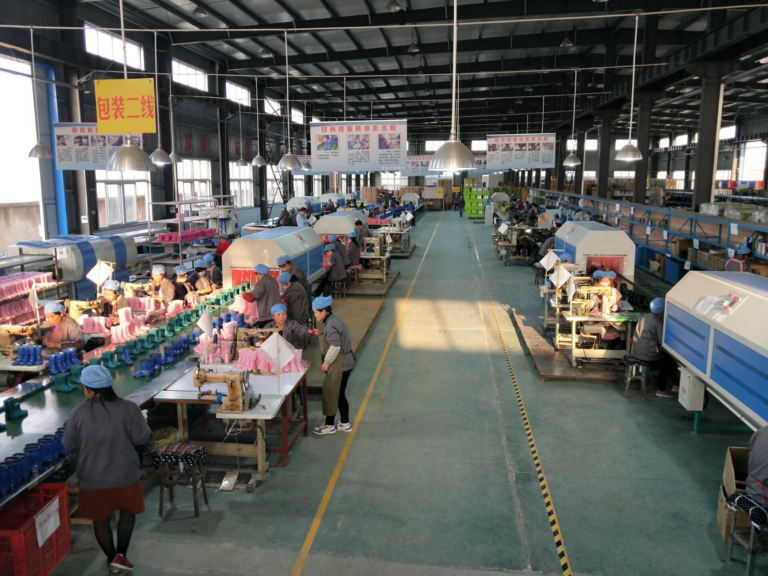
- Confirm in‑house production capabilities: rubber mixing facilities, neoprene cutting & laminating machines, seam‑sealing stations, and in‑house water‑leak testing for waders
- Clarify full private‑label service scope: logo mold production, custom packaging support, and complete export documentation
- Negotiate mold creation fees and confirm ownership of tooling once your project finishes
Watch out for middlemen trading companies pretending to be direct factories. They outsource production to unknown workshops and cannot control core production processes. Learn how to distinguish real footwear factories from middlemen for outdoor gear sourcing to avoid inflated pricing and uncontrolled quality risk.
Phase 3: Build a Detailed Tech Pack & Request Formal Quotations
A professional tech pack is your official reference document for sampling, modification, and mass‑production acceptance. Verbal descriptions and reference photos alone are never enough for private‑label manufacturing. Misinterpretations of verbal requests are extremely common across cross‑border sourcing.
Your tech pack for private‑label rubber hunting boots & waders needs to cover these key sections:
- Reference product photos or sketches showing desired silhouette and fit
- Full material specification: natural and synthetic rubber ratio, neoprene density, outsole anti‑abrasion standards
- Exact logo placement, printing or embossing techniques, and official Pantone color codes
- Complete size run and size‑grade tolerance rules
- Full packaging requirements: retail boxes, hang tags, export carton marking
- Target‑market chemical compliance requirements
Send your finalized tech pack to 2‑3 qualified manufacturers and collect itemized formal quotations. Compare not only unit prices, but sampling charges, mold costs, production lead‑time, and trade terms such as FOB or EXW. Understand Incoterms for outdoor gear private‑label orders so you can accurately calculate your total landed cost.
Phase 4: Multi‑Round Sampling: From Development Sample to Mass‑Production Trial Sample
Sampling is the most vital stage of private‑label product development for hunting boots and waders. Many new outdoor brands approve a single hand‑crafted pre‑production sample and immediately move to mass production, only to receive bulk goods with seam leaks, molding defects, or misprinted branding.
Development / Concept Sample
This initial sample validates overall shape, fit, logo positioning, and visual appearance. It is usually hand‑built and may not use final bulk‑production raw materials. Focus your feedback on silhouette, fit, and branding placement, rather than final material performance.
Pre‑Production Sample (PP Sample)
The PP sample must use identical raw materials, molds, and logo tooling as your future bulk order. This is your official approval sample. Fully test every detail: rubber stretch performance, wader seam tightness, anti‑slip outsole texture, logo quality, and wearing comfort. Revise repeatedly until it fully matches your tech pack requirements.
Mass‑Production Trial Sample
Always request physical samples pulled directly off the bulk‑production assembly line, not hand‑made by the sample workshop. Factory‑line samples expose real‑world manufacturing risks including rubber flow marks, weak seam sealing, color shifts, and sizing inconsistencies that hand‑crafted samples hide.
Once you sign‑off your final sample, attach it as the acceptance standard to your proforma invoice. This creates binding reference for quality when disputes happen later.
Phase 5: Complete Target‑Market Compliance & Safety Certification
Rubber hunting boots and neoprene waders sit against human skin for hours. Different global markets enforce strict chemical safety regulations for imported footwear. Skipping compliance testing before production can result in customs detention, fines, or total rejection of your container shipment.
- European market: REACH compliance to restrict harmful chemical substances within rubber and neoprene materials
- North American market: restricted substance testing for consumer outdoor footwear
- Physical performance testing: waterproof durability, rubber tensile strength, and outsole anti‑slip performance
Arrange third‑party laboratory testing before mass‑production starts. Reputable global testing providers widely used within outdoor footwear manufacturing include SGS and QIMA. Their test reports are accepted by most major customs and retail channels.
Phase 6: Mass Production & In‑Line Quality Monitoring
After paying your deposit and approving the PP sample, mass‑production commences. New brand owners should never simply wait passively for factory shipment notices. Early‑stage defect detection saves you from costly full‑order rework.
- Schedule inline inspection when 10%‑15% of production is finished. Inspect for wader seam leakage, rubber molding bubbles, logo printing errors, and size deviation.
- Maintain weekly production progress updates with your factory project manager.
- Build buffer days into your production timeline, accounting for Chinese national holiday shutdowns which frequently delay manufacturing schedules.
Common Private‑Label Pitfalls for New Outdoor Brands
Even with step‑by‑step workflows, new brands repeatedly fall into predictable traps during private‑label hunting boot and wader development:
- Over‑customizing at the very beginning, pushing mold fees and MOQ far beyond startup budgets
- Approving hand‑crafted samples without verifying mass‑production trial‑run output
- Ignoring market compliance testing until goods arrive at destination port
- Trusting only factory self‑checks without independent third‑party quality verification
- Submitting incomplete or vague tech packs that create constant cross‑cultural misinterpretation
Final Thoughts: Build a Competitive Outdoor Product Line With Private‑Label Development
Private‑label rubber hunting boots and waders represent substantial market potential for emerging outdoor brands. Successful product development is rarely driven by revolutionary new designs. It depends on disciplined process: clear technical documentation, selecting specialized competent factories, multi‑stage sampling iteration, mandatory compliance testing, and independent quality control.
Invest sufficient time and budget in pre‑production work. Getting your specifications and samples correct early on avoids catastrophic expensive bulk‑order errors, and lets you launch durable, trustworthy outdoor footwear under your own brand name.