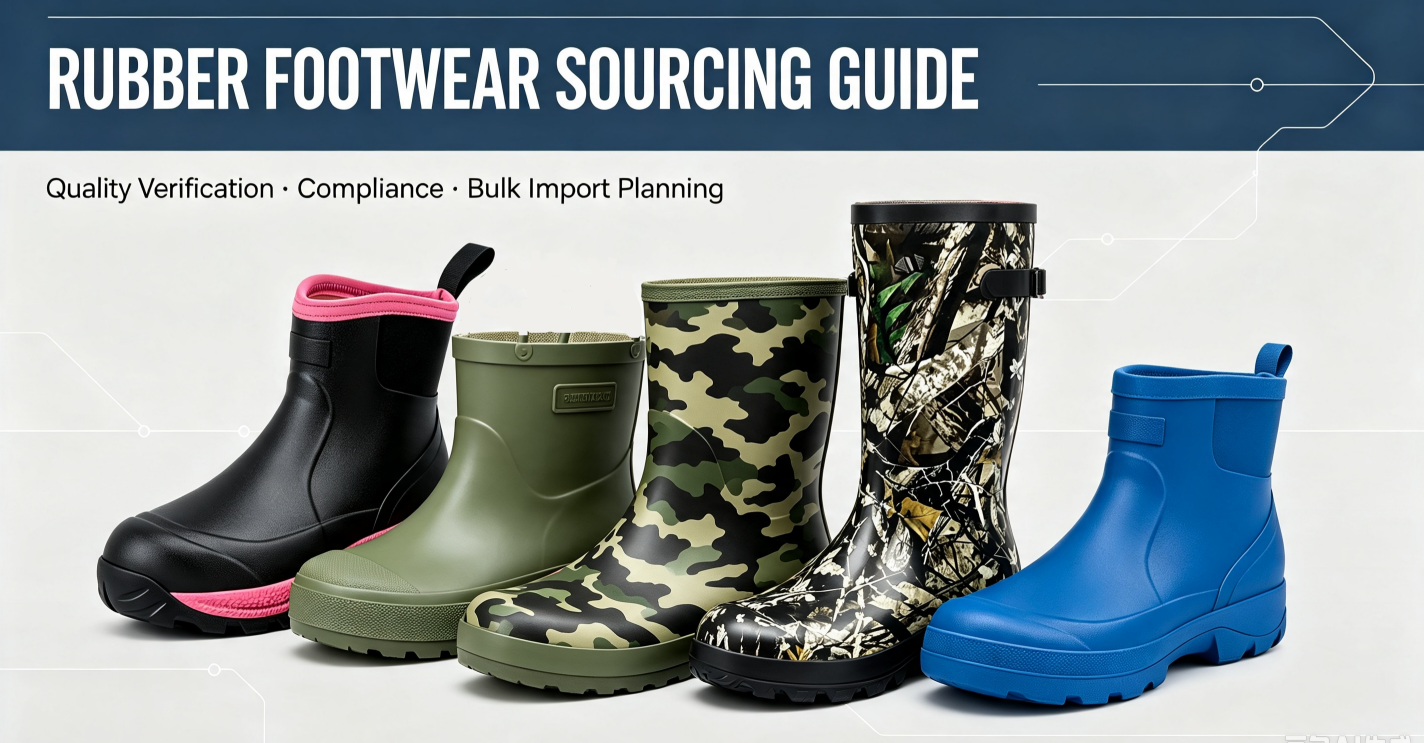
Importing rubber footwear from Chinese manufacturers is one of the most cost-effective ways for global retailers, wholesalers, and brand owners to scale their product lines. China dominates the global rubber footwear market, offering diverse products including rubber boots, rain shoes, casual rubber sneakers, and industrial safety rubber shoes with flexible MOQs and competitive pricing. However, many importers—especially first-time buyers—fall prey to preventable sourcing errors that lead to defective goods, delayed shipments, hidden costs, and broken supply chain partnerships.
Most import failures stem from uninformed decision-making rather than poor manufacturer quality. In this guide, we break down the most common mistakes when importing rubber footwear from Chinese manufacturers and share actionable, industry-tested solutions to protect your profits, quality standards, and delivery schedules in 2026 and beyond.
Mistake 1: Failing to Verify Genuine Rubber Footwear Manufacturers
A top mistake new importers make is confusing trading companies with genuine rubber footwear factories. Many middlemen pose as direct manufacturers on B2B platforms, marking up prices, outsourcing production to unqualified small workshops, and lacking control over material quality and production processes. This often results in inconsistent rubber density, poor waterproof performance, and unstable shoe durability.
How to Avoid It:
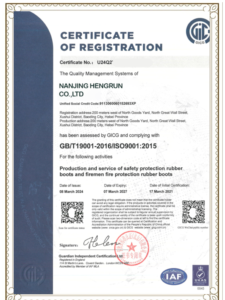
- Verify factory credentials via official Chinese databases like Tianyancha or QICHACHA to check business scope, registered capital, and export qualifications.
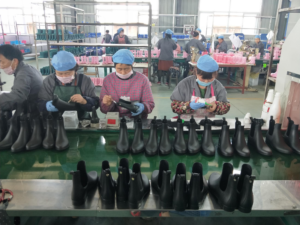
- Request real-time factory video tours focusing on rubber mixing machines, vulcanization equipment, and finished product inspection lines.
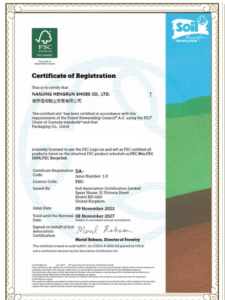
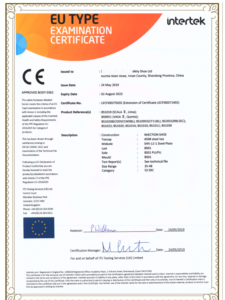
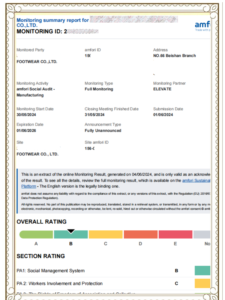
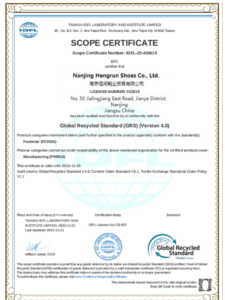
- Ask for factory audit reports and export certificates specific to rubber footwear production.


Mistake 2: Skipping Custom Rubber Material Specification Confirmation
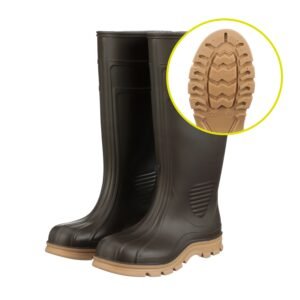
Rubber footwear quality hinges entirely on raw materials. Many importers only confirm product photos and unit prices without clarifying rubber formulas, leading manufacturers to substitute high-quality natural rubber with recycled rubber or low-density synthetic rubber. Substandard materials cause cracking, deformation, slip resistance failure, and short product service life, triggering high return rates.
How to Avoid It:
- List detailed material standards in the formal PI (Proforma Invoice), including rubber thickness, natural rubber ratio, anti-slip grade, and waterproof parameters.
- Require manufacturers to provide raw material test reports before mass production.
- Stipulate material substitution penalties in the cooperation contract to avoid cutting corners.
Mistake 3: Approving Pre-Production Samples Without Batch Consistency Checks
Most importers confirm handcrafted pre-production samples and directly arrange bulk production, ignoring a critical risk: factory samples are often made with premium materials and precise craftsmanship, while mass production uses streamlined processes that compromise quality. This mismatch is the leading cause of batch rubber footwear defects.
How to Avoid It:
- Confirm mass production samples (not just hand samples) .
- Arrange inline inspection during the first 10% of bulk production to verify color consistency, rubber molding quality, and stitching standards.
- Lock sample standards in writing as the final acceptance basis for the entire order.
Mistake 4: Ignoring Import Compliance and Certification Requirements
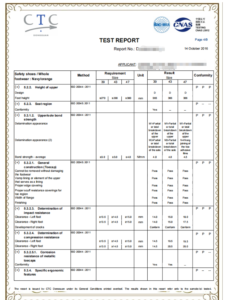
Rubber footwear sold in Europe, North America, and Australia requires strict compliance certifications, including CE marking, FDA rubber material safety certification, and REACH compliance. Many importers overlook regional regulatory rules, resulting in customs detention, fines, or failed market access after goods arrive at the port.
How to Avoid It:
- Clarify target market certification requirements before placing orders.
- Cooperate with manufacturers with complete certified rubber footwear production lines.
- Arrange third-party compliance testing via authoritative institutions like SGS and Bureau Veritas before shipment.
Mistake 5: Choosing Unfavorable Payment Terms
Blindly accepting full advance payment or excessive deposit ratios is a common risky move. Unregulated payment terms leave importers with zero leverage during production quality disputes or delivery delays. Some untrustworthy factories even delay production or cut corners after receiving full deposits.
How to Avoid It:
Adopt the industry-standard secure payment term: 30% deposit for production startup, 70% balance paid after passing pre-shipment inspection. This balanced model protects both the importer’s capital safety and the manufacturer’s production interests, effectively reducing quality risks and delivery delays.

Mistake 6: Miscalculating Landed Costs by Only Focusing on Unit Price
Many new importers chase ultra-low unit prices of Chinese rubber footwear but ignore hidden import costs, including sea freight, customs duties, port handling fees, inspection fees, and warehousing costs. Overlooking these expenses leads to underestimated total costs and compressed profit margins.
How to Avoid It:
- Request a full landed cost breakdown from suppliers or freight forwarders before confirming orders.
- Fully understand Incoterms rules (FOB, EXW, CIF) and select the most cost-effective term based on your supply chain conditions.
- Reserve 5–8% contingency funds for unexpected logistics and customs costs.
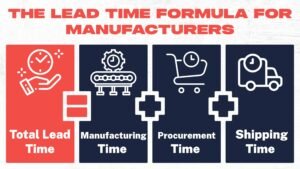
Mistake 7: Neglecting Seasonal Production and Shipping Lead Times
Rubber footwear has obvious seasonal sales peaks (rainy seasons, winter warm rubber shoe seasons). Many importers fail to consider Chinese factory holiday shutdowns (Spring Festival, National Day) and peak shipping congestion, leading to delayed deliveries and missed sales windows.
How to Avoid It:
- Avoid arranging mass production one month before China’s Spring Festival holiday.
- Confirm written production and shipping schedules with factories and reserve 7–10 days of buffer time.
- Arrange peak-season shipping plans in advance to avoid port congestion and freight surges.
Final Thoughts: Build a Stable & Profitable China Rubber Footwear Supply Chain
Importing rubber footwear from Chinese manufacturers is profitable and scalable, but success depends on standardized sourcing processes, strict quality control, and compliant supply chain management. By avoiding these 10 critical mistakes—verifying factory authenticity, locking material standards, insisting on third-party inspections, optimizing payment terms, and diversifying suppliers—you can eliminate most sourcing risks and build a long-term, stable, low-cost rubber footwear supply chain.
For new importers, investing time in pre-order verification and process standardization is far more cost-effective than remedying post-production defects and losses.