How to Source High-Performance Rubber Boots for B2B Distribution
By pettysana@gmail.com
5 Min Read
If you are a B2B buyer sourcing rubber boots for resale, industrial PPE supply, farm retailers or outdoor gear brands, product performance directly shapes your repeat orders and customer satisfaction.
Many distributors rush into bulk rubber boot orders only to face costly inventory issues. Common problems include inconsistent sizing, poor slip resistance, and products that fail local safety standards after shipment.
Smart B2B procurement starts with matching rubber boot features to real end-user scenarios. This practice reduces return rates and avoids slow-moving stock for your wholesale business.
Common End-Use Scenarios for Bulk Rubber Boot Orders
Different industries require custom rubber boot constructions. Picking the wrong specs will hurt your sales and brand reputation.
Agricultural & Farm Settings
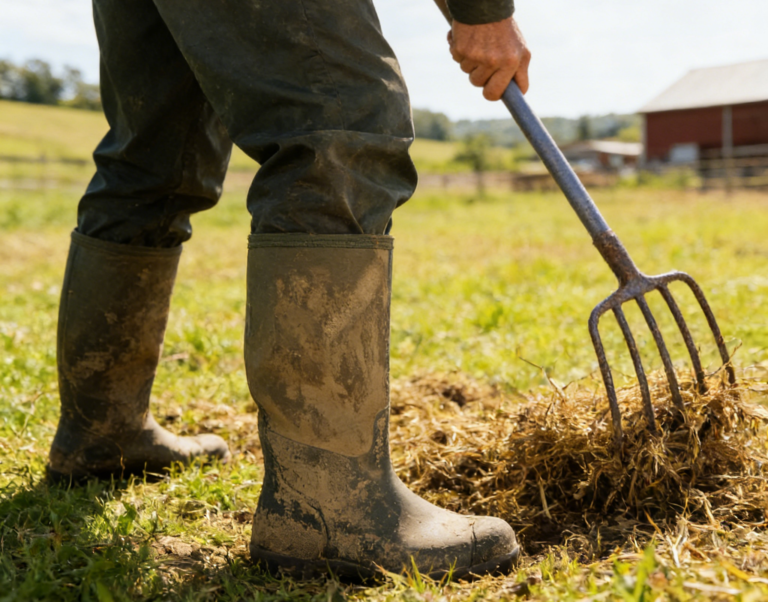
Farm workers work long hours in mud, standing water and mild chemical residues. Reliable rubber boots must deliver full waterproof protection and flexible rubber construction.
Deep lug outsoles are essential for slippery clay and wet farm ground. Low-quality rubber boots crack quickly under daily field use, leading to high retail returns.
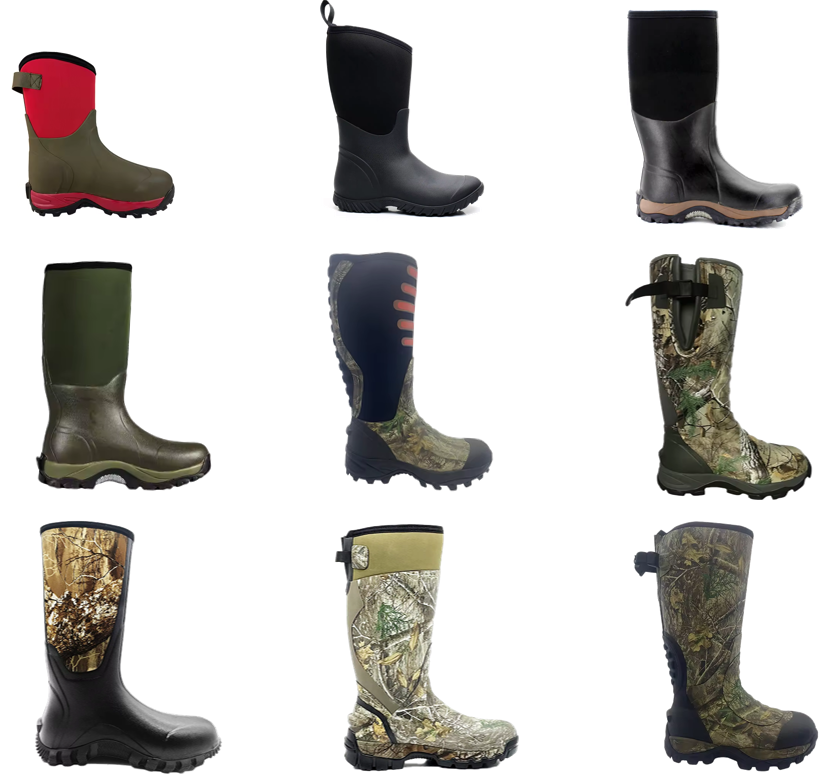
Industrial & Construction Worksites
Construction, wastewater and chemical industries need heavy-duty rubber work boots. B2B buyers prioritize oil-resistant rubber compounds and reinforced upper protection.
Steel toe caps and puncture-proof midsoles are popular custom options. For EU and US markets, EN ISO 20345 and ASTM F2413 safety compliance is mandatory for institutional and corporate clients.
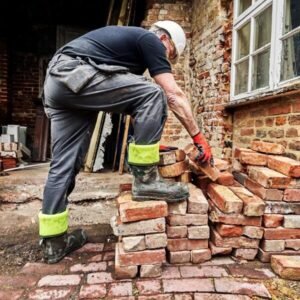
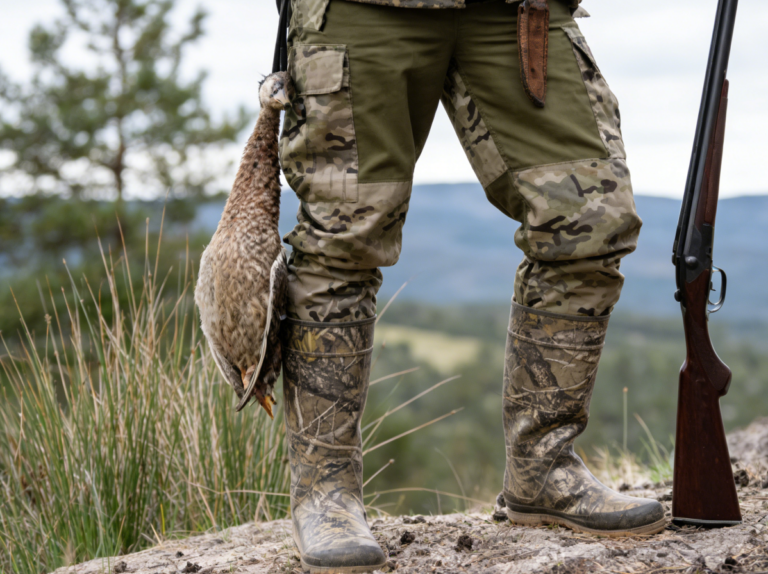
Outdoor consumers prefer comfortable, weather-resistant rubber boots for cold and wet environments. Neoprene insulated rubber boots are top sellers for winter and off-season outdoor use.
Adjustable gussets and anti-chafe lining improve wear experience. Most retail resellers also support private label printing for branded product lines.
Professional outdoor rubber boot performance testing proves neoprene-insulated designs deliver optimal comfort for cold-weather hunting and fishing scenarios.Hunting Boot
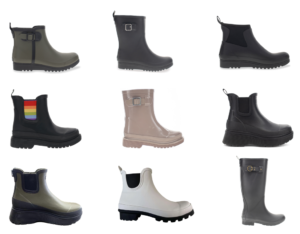
Daily Rain Boot Retail
Casual rubber rain boots focus on fashion and basic waterproof function. For high-turnover shelf sales, consistent sizing, rich color options and competitive landed cost are core priorities.Daily Rain Boot
Key Technical Specs B2B Buyers Must Check
Unit price should never be your only sourcing benchmark. Small material differences create massive after-sales risks for bulk rubber boot orders.
Rubber Compound Quality Premium natural rubber offers better flexibility, abrasion resistance and long-term waterproof performance. Blended low-grade rubber hardens in cold weather and cracks within months.
Slip-Resistant Outsole Performance Always verify third-party test reports. Many low-cost rubber boots look sturdy but fail on wet concrete and muddy terrain, causing workplace safety complaints.
Sizing Consistency Batch-to-batch sizing inconsistency is the top cause of returns. Confirm US, EU and UK size alignment with your target market and test full-size samples before mass production.
OEM & ODM Rubber Boot Sourcing Guide for Bulk Buyers
Private label rubber boots are the mainstream choice for B2B distributors to improve profit margins and brand competitiveness.
First, confirm MOQ for custom logos, custom colors and packaging upgrades. Most manufacturers offer low-MOQ logo printing on existing rubber boot molds.
For new mold development, clarify tooling fees and production cycles in advance. Sharing clear end-user usage scenarios helps factories adjust rubber formulas for targeted durability.
Pre-production sample testing is non-negotiable. Check waterproof sealing, rubber flexibility, outsole friction and sizing accuracy to avoid full-container losses.
Raw rubber price volatility greatly affects bulk order costs. Experienced B2B buyers plan seasonal orders in advance to hedge price fluctuations.
Never choose the lowest quotation blindly. Cheap rubber boots usually reduce material thickness or use recycled blended rubber, resulting in high return rates that erase your profits.
Evaluate total landed cost, including certification fees, shipping and after-sales costs. Arrange production schedules early for peak seasons like rainy seasons and winter outdoor seasons.
Sustainability Trends for Modern Rubber Boot Procurement
Eco-friendly products are no longer optional for EU and US retail chains. More buyers prefer sustainable rubber boot SKUs for green brand positioning.
Common sustainable options include recycled natural rubber materials, PFAS-free waterproof treatment and recyclable packaging. You can ask your supplier for valid eco documentation for retail listing approval.
FAQ for B2B Rubber Boot Bulk Buyers
Q: Rubber boots vs PVC boots: Which is better for bulk sourcing?
A: Rubber boots feature better flexibility, cold resistance and abrasion resistance for heavy-duty industrial and agricultural use. PVC boots are cheaper for light casual use but stiffen and crack easily with long-term wear.
Q: What certifications do I need for exporting rubber work boots?
A: EU markets require EN ISO 20345 certification, while the US market follows ASTM F2413 standards. Always request third-party test reports from your manufacturer.
Q: Can I get private label rubber boots with low MOQ?
A Yes. Logo printing on existing rubber boot molds supports low minimum orders. Custom full-structure molds require higher MOQ and tooling investment.
Q: How to avoid quality differences in bulk rubber boot shipments?
A: Confirm pre-production samples, conduct inline factory inspections, and check batch consistency of rubber materials and sizing before delivery.
Final Takeaways
Professional rubber boot B2B sourcing focuses on scenario matching, quality verification and compliance confirmation, not just low pricing.
By standardizing sample testing, certification checking and seasonal lead time planning, you can stabilize your supply chain and reduce inventory risks for long-term wholesale growth.
Contact our team today to get custom rubber boot specs, free samples, and tailored bulk OEM & ODM solutions for your market.
Partner with Hengrun Outdoor. We combine 20 years of craftsmanship with modern manufacturing tech to deliver high-performance boots that meet global standards.