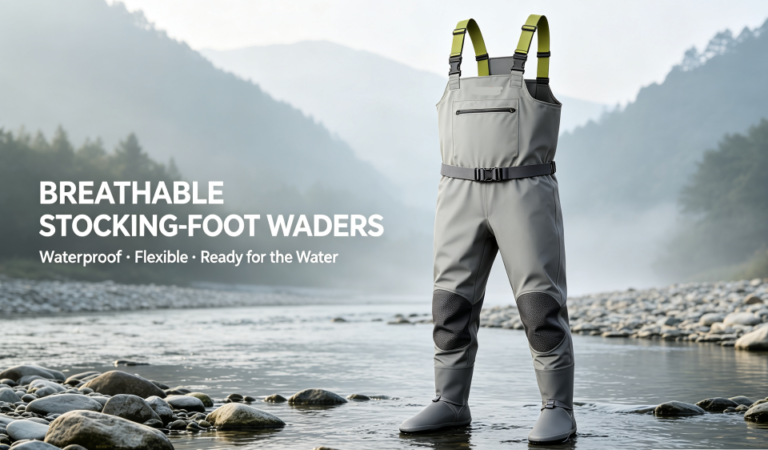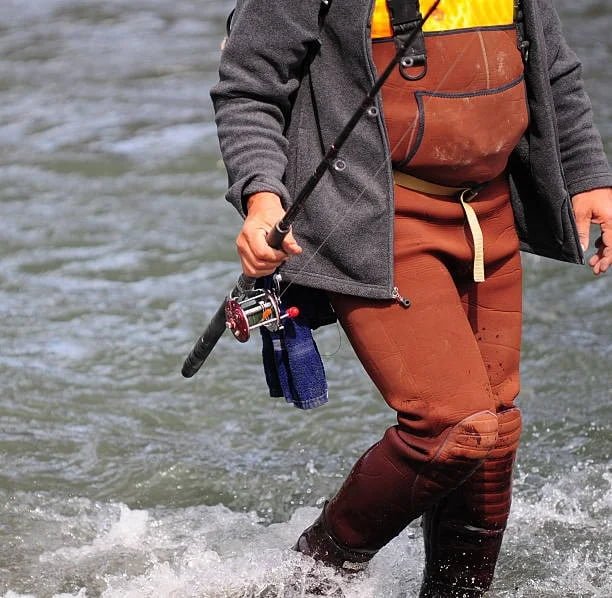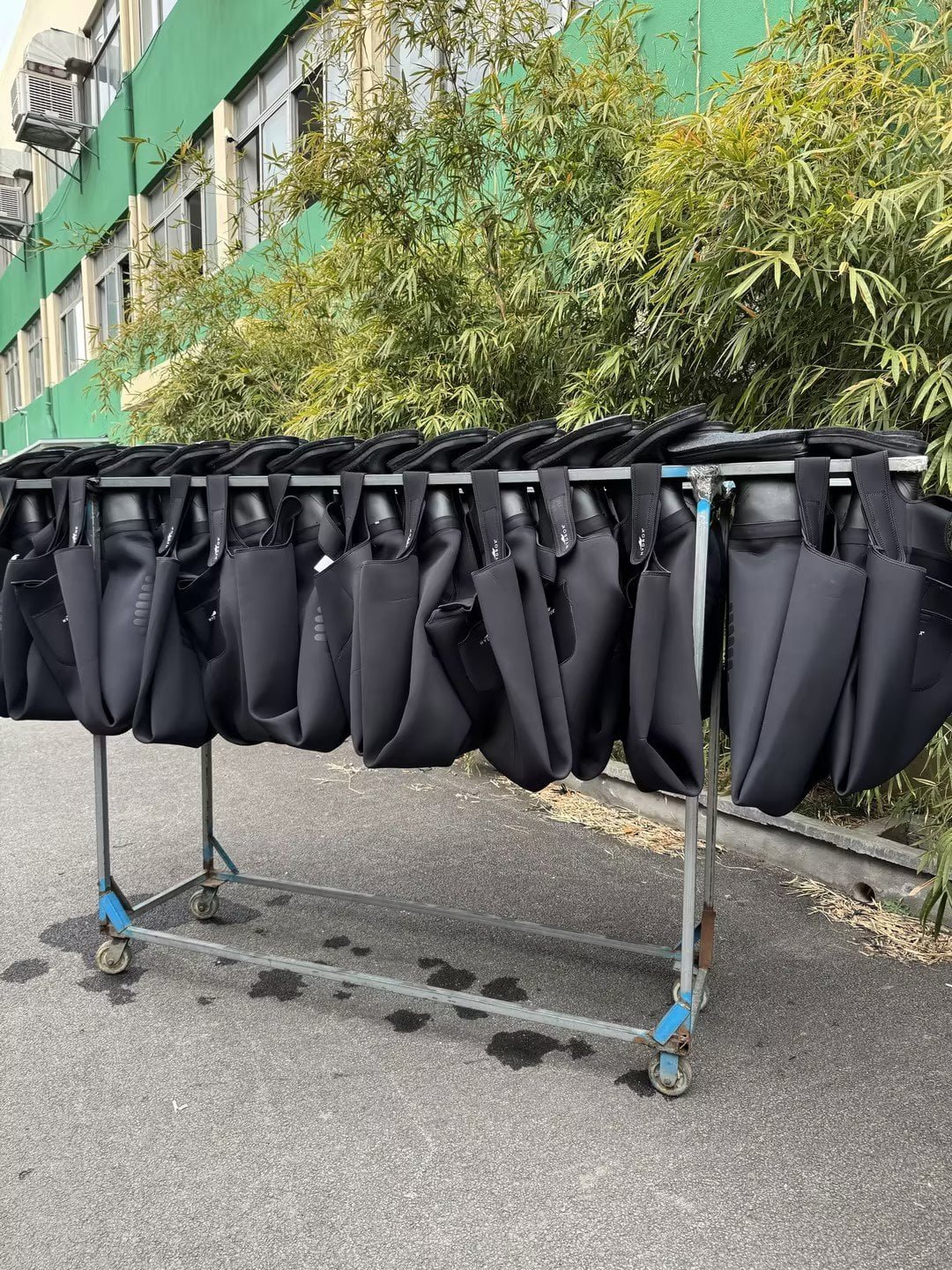
For wholesale distributors, importers and private‑label brand owners sourcing chest waders for hunting, fishing and aquaculture markets, high product return rates directly erode profit margins, damage retailer relationships and hurt brand reputation. Many returns stem from avoidable manufacturing defects rather than end‑user misuse. Understanding typical chest waders production flaws and what quality‑focused manufacturers do to mitigate them helps B2B buyers make smarter sourcing decisions and lower after‑sales workload.
Chest waders combine neoprene, breathable laminated fabrics or PVC with heat‑pressed taped seams, bonded boot connections and hardware assemblies. Even small inconsistencies during cutting, seam sealing or final testing can create functional failures in field use. In this article, we break down the most frequent production defects and proven factory‑led QC workflows to minimise wholesale return volumes.
Most Common Manufacturing Defects on Bulk‑Produced Chest Waders
Defects for wholesale chest waders generally fall into waterproof seam failures, fabric‑related issues, boot‑to‑wader bonding problems, hardware inconsistencies and batch‑level sizing drift. These are the top root causes of customer complaints and product returns across European and North‑American markets.
1. Seam Tape Delamination & Incomplete Heat‑Sealing
Seams represent the highest‑risk waterproof zone for chest waders, especially crotch joints, inseams and chest panel connections. Poor temperature control during heat‑tape pressing, contaminated fabric surfaces or low‑grade seam tape will trigger partial or full tape lifting. Micro‑gaps under separated tape generate invisible pin‑leaks that only appear once end‑users stand in cold water. Budget‑grade production frequently skips double‑pass seam pressing, raising long‑term leak risks for wholesale stock.
2. Fabric Pinholes, Hidden Punctures and Material Imperfections
Tiny pinholes can originate from raw‑material flaws, cutting‑tool nicks or sharp handling during assembly. Most pinholes are invisible under dry inspection yet allow slow water ingress in practical outdoor conditions. Neoprene and lightweight breathable wader fabrics are particularly vulnerable. Without underwater or air‑pressure batch testing, these defects will pass final visual inspection and only surface after end‑user purchase, driving high return rates for wholesale partners.
3. Boot‑to‑Wader Junction Separation
The bonded transition between wader trouser body and integrated boot is a well‑known failure point for boot‑foot chest waders. Insufficient adhesive coverage, uneven compression during bonding or short curing cycles create partial delamination. Over repeated bending from walking and kneeling, gaps expand and water penetrates the interior. This defect ranks among the costliest for distributors because complete wader replacement is usually required instead of simple field repair.
4. Misaligned Stitching, Loose Threads and Assembly Mis‑Fit
Misaligned panels, uneven seam allowances and residual loose threads create two problems: cosmetic complaints for retail‑ready goods and indirect waterproof risk. For blind‑stitched neoprene waders, needle depth calibration errors can pierce fully through the waterproof barrier layer, creating hidden leak channels that visual checks cannot catch.
5. Inconsistent Sizing Across Production Batches
Sizing inconsistency is often underestimated by overseas buyers. Minor variance on inseam, chest circumference and boot‑foot fit across different production lots generates a steady stream of size‑related returns. Without strict sampling measurement against the golden sample, even well‑constructed waders produce high retail return volumes for wholesale customers.
6. Defective Hardware: Shoulder Buckles, Straps and Zippers
Brittle injection‑molded buckles, poorly sewn shoulder strap anchors and sticky waterproof zippers trigger functional complaints. In mass‑volume production, factories occasionally install sub‑standard hardware components to cut unit cost, which becomes visible only after repeated opening‑closing cycles by end‑users.
How Trusted Wader Manufacturers Reduce Defects & Wholesale Return Rates
Reducing returns is not only about final‑stage inspection. Reliable OEM / ODM wader factories build multi‑stage quality control covering raw‑material receiving, in‑line production monitoring and finished‑goods functional testing, aligned with AQL sampling standards for bulk export orders.
1. Raw‑Material Incoming Inspection
Quality factories verify fabric batch consistency, seam‑tape performance, adhesive shelf‑life and hardware quality before cutting begins. Rejecting defective input materials prevents large‑scale bad batches downstream. For EU‑bound orders, material compliance screening for REACH restricted substances also takes place at this stage to avoid customs and market‑access risks. If you want to dive deeper into compliance requirements, read our guide: Key Compliance & Certification Checklist for Importing Waders to EU and North America.
2. In‑Production In‑Line QC at Critical Stations
Special QC operators monitor high‑risk processes: seam‑tape heat‑press parameters, boot‑wader bonding pressure & curing time, fabric cutting accuracy. Defective semi‑finished pieces get isolated immediately rather than flowing onward into final assembly. Early defect capture avoids wasting labour on non‑conforming units and prevents large‑scale rework after full production completion.
3. Mandatory Waterproof Functional Testing, Not Only Visual Checks
Visual inspection alone cannot catch micro‑pinholes or partial seam‑tape weaknesses. Responsible wader factories implement air‑pressure leak testing or water‑submersion spot‑testing for sampled finished goods. This functional test catches hidden waterproof defects that would otherwise reach retail consumers and trigger returns.
4. Pre‑Shipment Sampling Against Approved Golden Sample
Before container loading, pre‑shipment inspection covers dimension cross‑check against master golden sample, hardware function verification, cosmetic review and labelling validation. Any batch showing higher‑than‑agreed defect rates triggers sorting or rework before shipment departs the factory. Third‑party inspection can also be arranged for large‑volume wholesale orders as an extra risk‑reduction layer.
5. Batch‑to‑Batch Traceability for Wholesale Partners
Good factories maintain production batch records. When a small number of defective units surface on your market, traceability lets both sides quickly identify whether it is isolated user damage or systemic production drift, supporting targeted corrective actions instead of broad‑scale costly product recalls.
What Wholesale Buyers Should Evaluate When Auditing a Wader OEM Factory
When sourcing chest waders for resale or private‑label projects, do not only compare unit price. Ask suppliers concrete quality‑process questions:
- What waterproof testing method and sampling ratio do you apply for finished chest waders?
- How do you control seam‑tape temperature and pressure settings during heat‑sealing?
- What is your AQL acceptance level for bulk wader orders?
- Can you provide batch‑traceability documentation for large‑volume shipments?
- How do you handle rework when in‑line QC detects non‑conforming semi‑finished goods?
Many overseas sourcing resources highlight that clear written specifications and confirmed golden samples are the foundation to minimise cross‑border quality disputes, see more best‑practice.
Final Thoughts: Defect Prevention Beats Post‑Shipment Remedies
For wholesale wader businesses, every avoidable returned unit costs logistics overhead, customer dissatisfaction and lost revenue. Chest wader manufacturing defects such as seam‑tape delamination, hidden pinholes and boot‑junction separation cannot be fully eliminated 100 %, yet structured multi‑stage QC drastically lowers real‑world return rates for distributors and brand partners.
When you select an OEM wader manufacturer, prioritise suppliers with proven functional testing workflows rather than focusing purely on low unit pricing. Investing in quality‑controlled production at source protects your retail‑channel reputation across hunting, recreational fishing and commercial aquaculture segments.
If you are exploring private‑label bulk chest waders manufacturing for your market, visit our OEM & ODM waders custom service page to review our production and quality‑control capabilities for wholesale buyers.