Finding a reliable rubber boot supplier is one of the most important decisions for importers, wholesalers, and brands. The wrong supplier can lead to delayed shipments, inconsistent quality, and costly customer complaints.
In this guide, we will walk you through how to evaluate and choose a trustworthy rubber boot manufacturer, helping you reduce risks and build a stable supply chain.
1. Evaluate Factory Capability (Not Just Trading Companies)
The first step is to determine whether you are working with a real manufacturer or a trading company.
Key Indicators of a Real Factory:
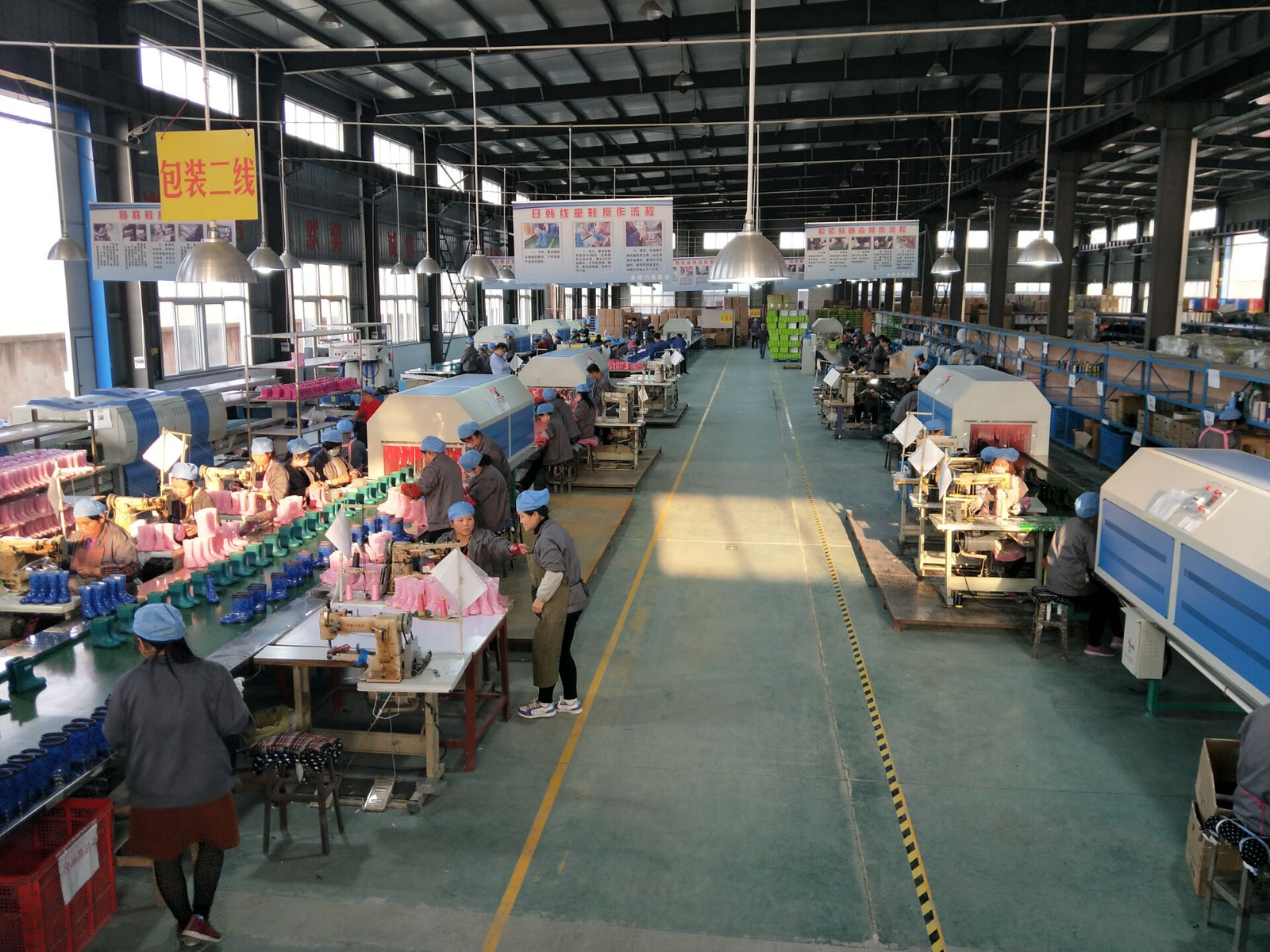
- Own production lines
- Stable output (e.g. 2,000+ pairs per day)
- In-house mold development
- Skilled workers and QC team
Red Flags:
- Cannot provide factory photos or videos
- Unclear production capacity
- Slow or vague responses
👉 Buyer Tip:
Always request factory audit reports or schedule a video factory tour.
⚙️ 2. Check OEM & ODM Capabilities
For brands, OEM and ODM capabilities are essential.
What to Look For:
- Custom logo printing
- Mold development ability
- Material customization
- Packaging design
Questions to Ask:
- Can you develop samples from sketches?
- How long does sampling take?
- What is the mold cost?
👉 A strong OEM supplier can turn your idea into a sellable product quickly.
🧪 3. Verify Quality Control System
Quality issues are the most common problem in footwear sourcing.
A Reliable Supplier Should Have:
Incoming Material Inspection
- Rubber quality testing
- Chemical compliance (REACH, RoHS)
Production Process Control
- Adhesion strength checks
- Dimensional accuracy
Final Inspection
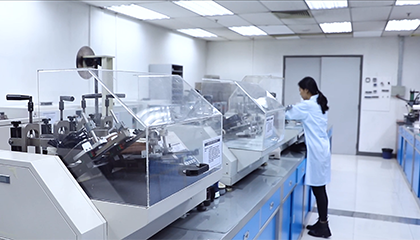
- Waterproof testing
- Visual inspection
- Packaging verification
👉 Critical Point:
Ask for QC reports and testing videos, not just promises.
📊 4. Understand MOQ and Pricing Structure
MOQ (Minimum Order Quantity) directly affects your cost and risk.
Typical MOQ Range:
- Standard designs: 500–1,000 pairs
- Custom designs: 1,000+ pairs
How to Evaluate Pricing:
- Compare based on materials, not just price
- Check if mold cost is included
- Understand packaging and shipping terms
👉 Extremely low prices often mean compromised quality.
⏱️ 5. Lead Time and Production Stability
Delays can damage your business reputation.
Key Factors:
- Sampling time: 7–15 days
- Bulk production: 30–45 days
- Peak season capacity
Questions to Ask:
- What happens if production is delayed?
- Do you have backup production lines?
👉 Choose suppliers with stable delivery records.
📜 6. Certifications & Compliance
For European and North American markets, compliance is critical.
Important Certifications:
- ISO 9001
- CE
- ISO 20345 / 20347
Material Compliance:
- REACH
- RoHS
👉 Lack of certification can result in customs issues or product rejection.
🌍 7. Communication & Service Level
Good communication reduces misunderstandings and errors.
Evaluate:
- Response speed
- Technical understanding
- English communication ability
👉 A professional supplier will provide clear, structured answers—not vague replies.
⚠️ 8. Common Mistakes When Choosing a Supplier
Avoid these common sourcing mistakes:
❌ Choosing Based on Price Only
→ Leads to poor quality and returns
❌ Skipping Sample Testing
→ High risk of bulk defects
❌ Ignoring QC Process
→ No control over final product quality
❌ No Written Agreement
→ Disputes become difficult to resolve
🔍 9. Request Samples Before Bulk Orders
Never skip the sampling stage.
What to Check in Samples:
- Waterproof performance
- Comfort and fit
- Material quality
- Finishing details
👉 Always test samples in real conditions (water, mud, cold).
🏢 10. Build a Long-Term Partnership
The best suppliers are long-term partners, not one-time vendors.
Benefits of Long-Term Cooperation:
- Better pricing
- Priority production
- Faster development
- More flexible MOQ
👉 Strong partnerships lead to stable business growth.
📈 Conclusion
Choosing a reliable rubber boot supplier requires careful evaluation of:
- Factory capability
- OEM/ODM experience
- Quality control system
- Pricing and MOQ
- Communication and service
By following these steps, you can minimize risks and build a successful sourcing strategy.
📞 Call to Action
Looking for a Reliable Rubber Boot Manufacturer?
We offer:
- OEM & ODM services
- Low MOQ support for new brands
- Fast sampling within 7–15 days
- Stable production capacity
👉 Contact us now to get a quotation and factory details.
❓ FAQ Section
Q1: How do I verify if a supplier is a real manufacturer?
Request factory audits, production videos, and check their production capacity.
Q2: What is a typical MOQ for rubber boots?
Usually between 500–1,000 pairs depending on design and customization.
Q3: How long does production take?
Sampling takes 7–15 days, while bulk production typically takes 30–45 days.