A return rate above 5% in outdoor footwear is a sizing problem, not a quality problem. After 20 years building boots for brands on three continents, we can tell you: the difference between a 3% return rate and a 12% return rate is almost always the boot size chart — and the last underneath it.
This guide explains how a real OEM factory develops sizing for US, EU, UK and Asian markets, and what a B2B buyer should ask for before approving the production sample.
1.Why a “Size 9” Is Not a Size 9
A size number is meaningless without a sizing system:
| System | Adult Men’s Range | Adult Women’s Range | Kids’ Range |
|---|---|---|---|
| US (M/W) | 6–14 | 5–11 | 10–3 (kids) |
| EU | 39–47 | 36–42 | 24–35 |
| UK | 5–13 | 3–9 | 9–2 |
| JP (Mondopoint mm) | 240–300 | 220–270 | 150–220 |
A US men’s 9 is roughly 270 mm foot length — but the last length the factory cuts is 15–20 mm longer, because the foot moves forward when walking. Get that offset wrong and the boot feels small in the toe box.
2.What Is a Last, and Why Does It Matter?
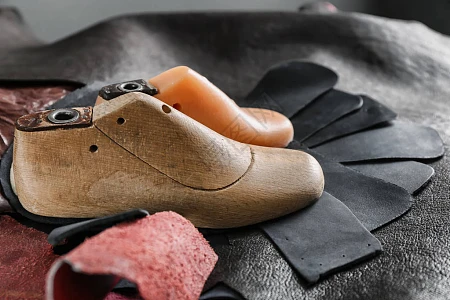
The last is the carved wooden or plastic foot-form the boot is built around. It determines:
- Toe box volume.
- Instep height.
- Heel cup shape.
- Waist (arch) contour.
- Total length and width.
A factory with an existing library of lasts can sample quickly. A brand that needs a brand-new last pays tooling of USD 800–2,500 and waits 15–20 extra days.
3.Width: The Detail Most Buyers Skip
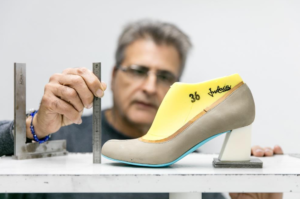
US sizing offers width options: B (medium), D (standard), EE (wide), EEE (extra wide). EU sizing typically ignores width — one last for the whole range.
If your target market is the US farm, hunting or workwear channel, the EE width is non-negotiable. A standard-width boot sold to a Minnesota farmer will come back as “too narrow” every time.
4.The Sizing Sample Approval Process
Before you sign off on the production sample, do these three tests:
- Size-run fit test. Ask the factory to ship one pair in your smallest, middle and largest sizes, not just the middle sample. The toe box and heel should be consistent across the range.
- Arch check with an insole print. Have testers stand on a Harris mat or ink print and compare the insole length to the foot.
- Lace-up break-in. Wear-test for two full days, not an office walkaround.
For more on how we handle sample approval in the production workflow, see our private-label product development article.
Kids’ Sizing: The Tricky Middle
Kids’ rain boots and snow boots have their own sizing chaos:
- US Toddler: 4–10
- US Little Kid: 10.5–3
- US Big Kid: 3.5–7
- EU: 20–35
A factory that mixes Toddler and Little Kid on one last is cutting corners. The foot shape changes between age 2 and age 8 — the toe box must be rounder and the instep lower for toddlers.
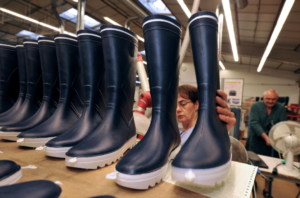
Hengrun develops kids’ rain boots on dedicated toddler, little-kid and big-kid lasts. See our kids’ rainbow cloud rain boots article for an example.
5.What to Ask Your Factory in Writing
- “Which sizing system is the last built on — US, UK, EU, JP, or Mondopoint?”
- “Do you offer width options (B, D, EE)?”
- “Can you provide a size-run sample in three sizes before mass production?”
- “What is the last’s ball girth, instep girth and heel width?”
- “Do you have reference brands you have built this last for?”
If the factory cannot answer these in writing, the return rate problem is yours, not theirs.
3.Frequently Asked Questions
1.Can I use a standard US last and sell it in the EU?
Yes, with conversion labeling. The foot volume difference is small enough that a US 9 / EU 43 conversion works for most casual boots. But premium brands develop EU-specific lasts because European feet tend to be narrower and longer.
2.How much does a custom last cost?
A new last carved to your foot data costs USD 800–2,500 one-time. Shared lasts across similar brands reduce this to near-zero for repeat partners.
3.What is a realistic return rate for well-sized boots?
3–5% is excellent. Above 8% indicates a sizing problem, not a product-quality problem.