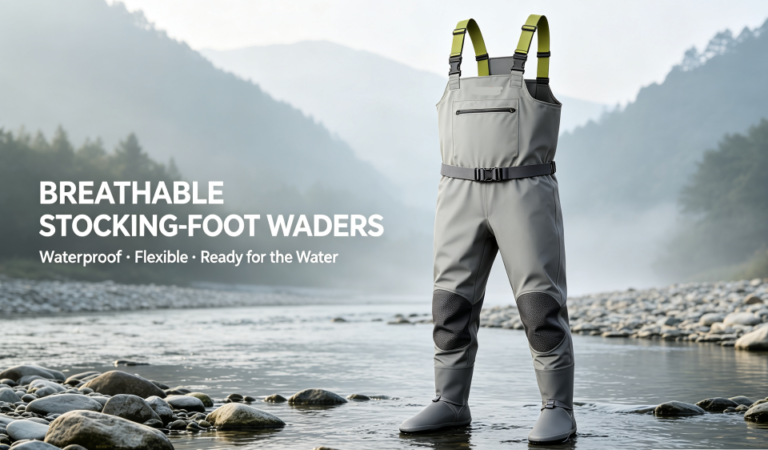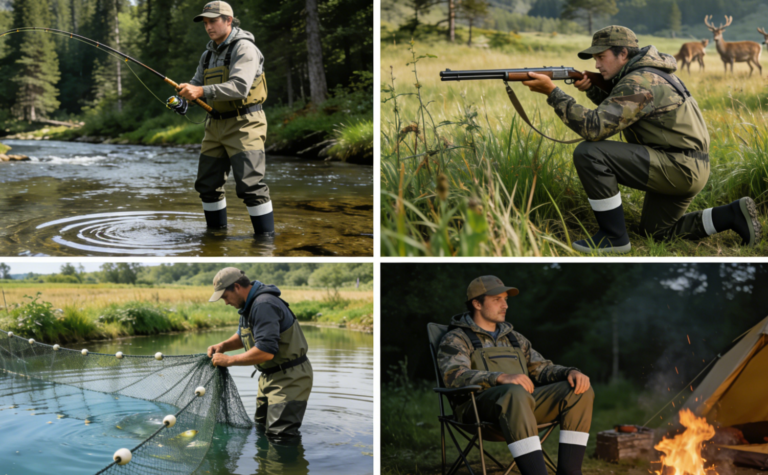
High-quality fishing waders are one of the most valuable investments for any angler. Whether you’re fly fishing in cold mountain streams, bass fishing in muddy freshwater lakes, or saltwater wade fishing along coastal shorelines, durable fishing waders keep you dry, warm, and safe on every trip. However, even the premium neoprene and breathable fishing waders will wear out quickly without consistent, proper care and maintenance. Daily dirt buildup, mold growth, UV damage, loose seams, and improper storage are the top causes of premature wader failure. This comprehensive guide will walk you through step-by-step fishing wader care and maintenance practices to maximize performance, prevent leaks, and significantly extend your fishing waders’ lifespan.
Why Proper Fishing Waders Maintenance Matters
Many anglers treat their fishing waders as rugged, indestructible gear, but modern wader materials are engineered with delicate waterproof membranes and adhesive seams that require gentle care. Skipping regular maintenance leads to common issues like leaking seams, cracked neoprene, faded DWR (Durable Water Repellent) coating, persistent odors, and mold contamination. Replacing damaged fishing waders every season is costly and unnecessary. With routine cleaning, drying, inspection, and proper storage, a good pair of fishing waders can last 3–5 times longer than neglected gear. Consistent wader maintenance also preserves breathability and waterproof performance, ensuring your fishing waders remain comfortable and functional for every fishing adventure.
1. Post-Trip Cleaning: The Foundation of Fishing Waders Care
The most critical step to extend fishing waders lifespan is immediate cleaning after every fishing trip. Mud, silt, algae, saltwater residue, and fish waste trap moisture against wader fabrics, break down adhesive seams, and foster mold and bacteria growth. A quick post-trip clean prevents long-term material degradation and keeps your waders in prime condition.
1.1 Basic Rinse for Everyday Freshwater Use
After each freshwater fishing trip, rinse your fishing waders thoroughly with cool, clean tap water. Avoid hot water at all costs, as high temperatures weaken seam tape, damage waterproof membranes, and melt protective fabric coatings. Focus on high-traffic areas, including boot soles, ankle cuffs, knee panels, and seam lines where dirt and sediment accumulate most. Use a low-pressure water flow to flush out trapped gravel and mud from boot treads and fabric crevices.
1.2 Deep Cleaning for Stubborn Grime & Saltwater Exposure
Saltwater fishing demands extra thorough wader care, as salt crystals corrode stitching, degrade fabric fibers, and ruin waterproof coatings over time. For saltwater-exposed fishing waders or heavily soiled freshwater waders, perform a deep clean every 2–3 trips. Use a specialized technical wader cleaner or mild, fragrance-free detergent—never harsh bleach, fabric softeners, or abrasive chemical cleaners, which strip DWR protection and damage breathable membranes.
Gently scrub tough dirt with a soft-bristled brush or microfiber cloth to avoid scratching delicate fabric surfaces. For neoprene fishing waders, avoid excessive scrubbing to prevent surface cracking. Rinse the waders twice completely to remove all detergent residue, as leftover soap buildup blocks breathability and attracts more dirt.
2. Correct Drying Techniques to Avoid Wader Damage
Improper drying is one of the biggest mistakes anglers make with fishing waders. Trapped moisture inside waders causes mold, mildew, seam rot, and unpleasant odors, while improper heat exposure destroys fabric elasticity and waterproofing. Follow these safe drying methods to protect your fishing waders and extend their service life.
2.1 Air Dry Naturally in Shaded, Ventilated Areas
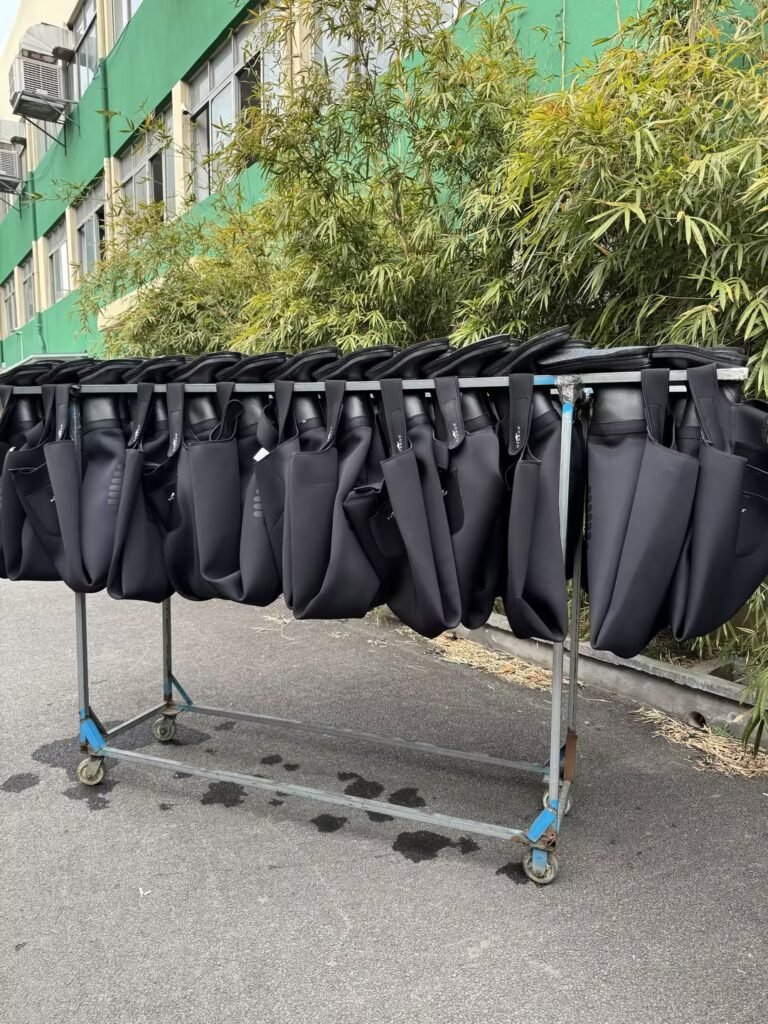
Always hang fishing waders in a cool, well-ventilated space away from direct sunlight, heaters, fireplaces, or dryers. Direct UV rays from sunlight break down neoprene and synthetic fabric fibers, causing fading, brittleness, and reduced waterproof performance over time. After rinsing, hang waders vertically by the suspenders or boot tops to allow water to drip off naturally.
2.2 Dry Both Interior and Exterior
Sweat and internal condensation leave hidden moisture inside fishing waders, even if the exterior feels dry. Once the outside of the waders is mostly dry, turn them completely inside out to air-dry the inner lining and membrane thoroughly. This step is critical for preventing mold growth and musty odors that become permanent if left unaddressed. Allow full drying for 12–24 hours depending on humidity levels before storing your waders.
2.3 Never Use Machine Dryers or High Heat
Resist the temptation to speed up drying with electric dryers, radiators, or open flames. Excessive heat warps wader materials, melts adhesive seams, and destroys the breathable waterproof layer, turning high-performance fishing waders into leaky, unusable gear.
3. Routine Inspection & Minor Maintenance to Prevent Leaks
Regular inspection is key to proactive fishing waders maintenance. Catching small issues like tiny punctures, loose threads, or weak seams early prevents major leaks and irreversible damage. Make a quick wader inspection part of your post-trip routine.
3.1 Check for Punctures, Tears, and Weak Seams
After drying, examine every inch of your fishing waders, paying close attention to knees, shins, boot connections, and seam lines—areas most prone to wear and tear. Look for tiny pinholes, frayed stitching, stretched fabric, or peeling seam tape. Even the smallest puncture will expand with use and cause water leakage during fishing trips.
3.2 Lubricate Zippers and Hardware
Zipper jams and rusted hardware are common wader issues that shorten usability. Lubricate wader zippers every month with a silicone-based lubricant to keep them sliding smoothly and prevent corrosion. Wipe down metal snaps, buckles, and suspender clips to remove dirt and salt residue, avoiding rust buildup that can stain or damage wader fabric.
3.3 Refresh DWR Water Repellency
Over time, dirt, sun exposure, and repeated use wear away the DWR coating on fishing waders, causing water to soak into the fabric instead of beading off. Every 3–4 months (or more frequently for heavy use), apply a premium waterproof DWR spray designed for breathable outdoor fabrics. This simple maintenance step restores water repellency, maintains breathability, and prevents fabric saturation during long fishing days.
4. Proper Long-Term Storage for Fishing Waders
How you store your fishing waders directly impacts their lifespan, especially during off-seasons or long gaps between fishing trips. Poor storage leads to crease damage, mold growth, pest infestations, and permanent fabric deformation. Follow these storage rules to keep your fishing waders in perfect condition year-round.
4.1 Store in Cool, Dry, Dark Spaces
Always store fully dry fishing waders in a climate-controlled, dry area with good air circulation. Avoid damp basements, humid garages, or outdoor sheds, where moisture triggers mold and mildew growth. Keep waders away from direct sunlight and extreme temperature fluctuations, which degrade fabric and adhesive materials over time.
4.2 Avoid Folding or Cramping Waders
Never fold, crumple, or stuff fishing waders into tight bags or storage bins for long periods. Folding creates permanent creases that weaken fabric and split seam tape, leading to leaks. The best storage method is hanging waders vertically on a wide, sturdy hanger to maintain their original shape and prevent material stress.
4.3 Use Protective Storage Bags
For travel or off-season storage, use a breathable wader storage bag to protect your fishing waders from dust, dirt, and pests. Avoid airtight plastic bags, which trap residual moisture and create a breeding ground for mold and mildew. Many dedicated wader bags feature built-in ventilation and changing mats for added convenience and protection.
5. Timely Repairs to Save Your Fishing Waders
Small, untreated damage is the main reason anglers have to replace their fishing waders prematurely. Most minor leaks and tears can be fixed easily with affordable wader repair kits, extending your gear’s lifespan by years. Always complete repairs before storing or reusing damaged waders.
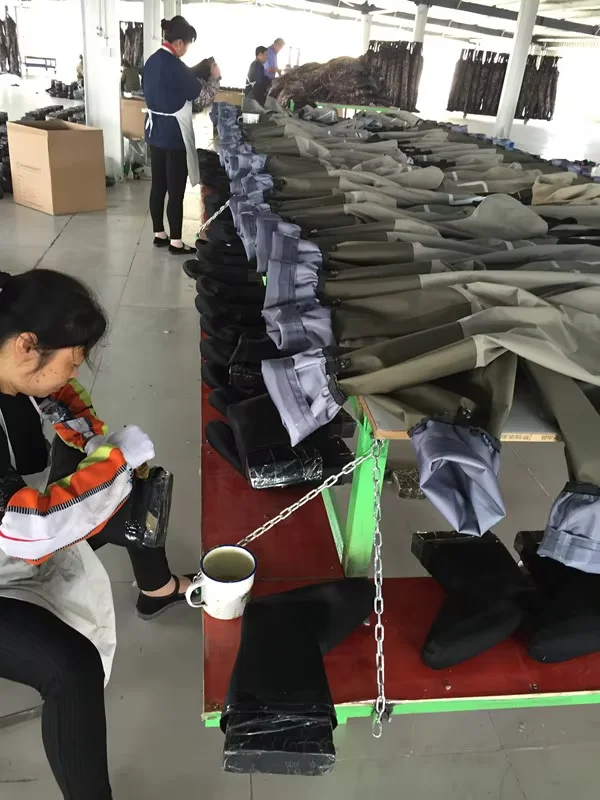
For tiny pinholes and small fabric tears, use a waterproof adhesive patch or neoprene repair cement designed for fishing waders. Clean and dry the damaged area thoroughly before applying the repair material to ensure a strong, waterproof bond. For peeling seams, apply seam sealant to resecure loose tape and prevent further separation. For major damage like large rips or detached boot soles, consider professional repair services to restore full waterproof performance.
6. Common Fishing Waders Care Mistakes to Avoid
To maximize your fishing waders’ lifespan, steer clear of these frequent angler mistakes that accelerate gear wear:
- Skipping post-trip rinses: Allowing dirt, salt, and algae to sit on waders causes permanent material breakdown.
- Exposing waders to direct sunlight: UV rays weaken synthetic and neoprene fabrics irreversibly.
- Using harsh cleaning chemicals: Bleach, fabric softener, and heavy detergents strip waterproof and breathable coatings.
- Storing damp waders: Trapped moisture leads to mold, mildew, and rotted seams.
- Machine drying or high-heat treatment: Heat destroys adhesive seams and fabric elasticity.
Final Thoughts
Caring for your fishing waders does not have to be time-consuming, but consistent maintenance is essential to protect your investment and extend your gear’s lifespan. Simple habits—post-trip cleaning, proper natural drying, routine inspections, timely repairs, and correct storage—keep your fishing waders waterproof, breathable, and durable for countless fishing seasons. By avoiding common care mistakes and following this step-by-step guide, you can eliminate premature wear, prevent frustrating leaks, and ensure your fishing waders perform reliably on every stream, lake, and coastal fishing trip.