How to Choose Durable Hunting Boots for Wetland Hunting
By pettysana@gmail.com
5 Min Read
Wetland hunting brings unique challenges: muddy terrain, standing water, slippery marsh ground, damp vegetation and constantly humid environments. A pair of ordinary hunting boots will quickly wear out, leak water or fail to hide your scent, ruining your entire hunt. That’s why picking durable wetland hunting boots is one of the most critical decisions for every wetland hunter.
Aside from water resistance and toughness, modern hunters also prioritize scent control hunting boots to avoid spooking game in sensitive wetland habitats. In this complete buying guide, we break down all key factors to select long-lasting, high-performance wetland hunting boots, covering materials, features, sizing, scent management and maintenance tips. Whether you hunt in swamps, marshes or flooded fields, you will find practical advice to match your needs.
1. Core Requirements for Wetland Hunting Boots
Before shopping, understand the non-negotiable features that separate qualified wetland hunting boots from regular footwear. These elements directly determine durability and functionality in wetland conditions.
1.1 Superior Waterproof Performance
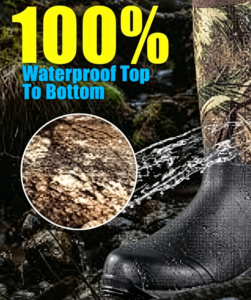
Standing water, mud and dew are everywhere in wetlands. Reliable wetland hunting boots must feature fully waterproof construction. Look for integrated waterproof membranes, sealed seams and one-piece molded uppers. Avoid boots with stitched gaps, as water and mud will seep in easily and damage the inner structure over time. Premium waterproof layers keep your feet dry for hours, even when walking through shallow water and thick marsh mud.
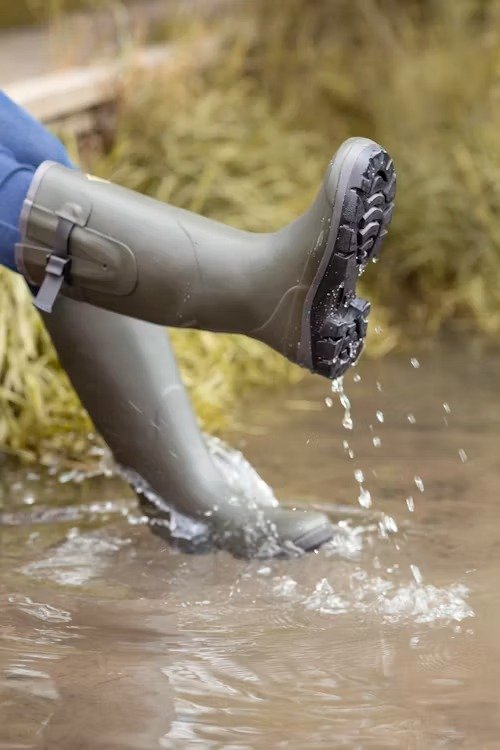
Waterproof hunting boot
1.2 Heavy-Duty Durability & Abrasion Resistance
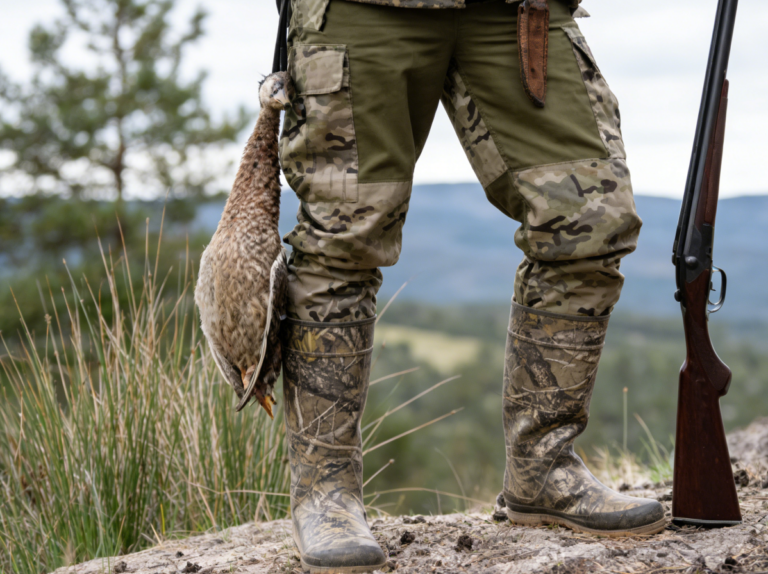
Wetland terrain is full of sharp reeds, tangled roots, rough mud and rocky patches. Durable wetland hunting boots need tough outer materials to resist cuts, tears and abrasion. Reinforced toe caps and heel panels are must-have designs. Thick rubber and heavy-duty synthetic leather are top material choices, which stand up to repeated use in harsh wetland environments without rapid wear and tear.
1.3 Anti-Slip Traction for Marsh & Muddy Ground
Slipping is a major safety risk during wetland hunting. Quality wetland hunting boots come with deep, self-cleaning lug soles. The rugged tread pattern sheds mud quickly and delivers stable grip on slippery mud, wet grass and uneven marsh surfaces, keeping you safe while moving quietly through wetlands.
2. Why Scent Control Hunting Boots Are a Must for Wetland Hunting
Game animals in wetlands have an extremely sensitive sense of smell. Damp air in wetlands carries human scents farther and lingers longer than dry environments. This makes scent control hunting boots an essential upgrade for serious hunters.
Traditional boots absorb sweat, mud and body odor, releasing strong human scent that alerts deer, ducks, wild turkeys and other game from a distance. Professional scent control hunting boots are built with odor-neutralizing liners, carbon-infused fabrics or scent-blocking treatments. These technologies trap sweat and eliminate human odor, allowing you to get closer to your target without being detected.
If you hunt frequently in dense marshes and humid wetlands, never skip scent control features. A pair of durable wetland hunting boots combined with effective scent control will greatly boost your hunting success rate.
3. Key Materials for Long-Lasting Wetland Hunting Boots
The material directly decides the lifespan and performance of your wetland hunting boots. Here are the most common and reliable options:
3.1 Neoprene
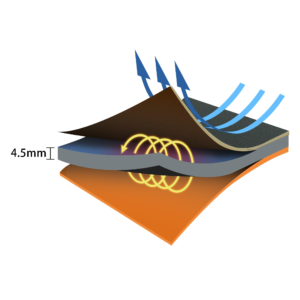
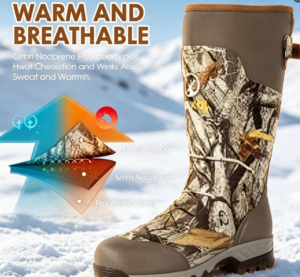
Neoprene is the most popular material for wetland hunting boots. It is fully waterproof, flexible, heat-insulated and mud-resistant. Thick neoprene uppers resist tears from wetland plants and maintain comfort in cool, damp weather. It also works well with scent control treatments, so most top-rated scent control hunting boots use neoprene as the main material.
Neoprene Material Structure Diagram
3.2 Heavy-Duty Rubber
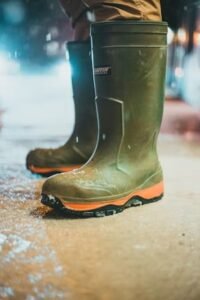
Full rubber wetland hunting boots are ultra-durable and 100% waterproof. They are easy to clean after walking through thick mud. Rubber boots excel in extremely muddy and flooded wetlands, but choose lightweight designs to avoid fatigue during long walks.
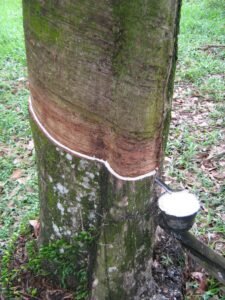
Natural Rubber Boot Material
4. Fit & Comfort Tips for All-Day Wetland Hunting
Even the most durable wetland hunting boots will become useless if they do not fit well. Wetland hunting often requires hours of continuous walking and standing, so comfort cannot be ignored.
Leave extra toe room: Your feet will swell slightly after long walks, especially in warm and humid wetlands. Avoid overly tight boots.
Pick supportive insoles: Cushioned and shock-absorbing insoles reduce foot fatigue on rough marsh ground.
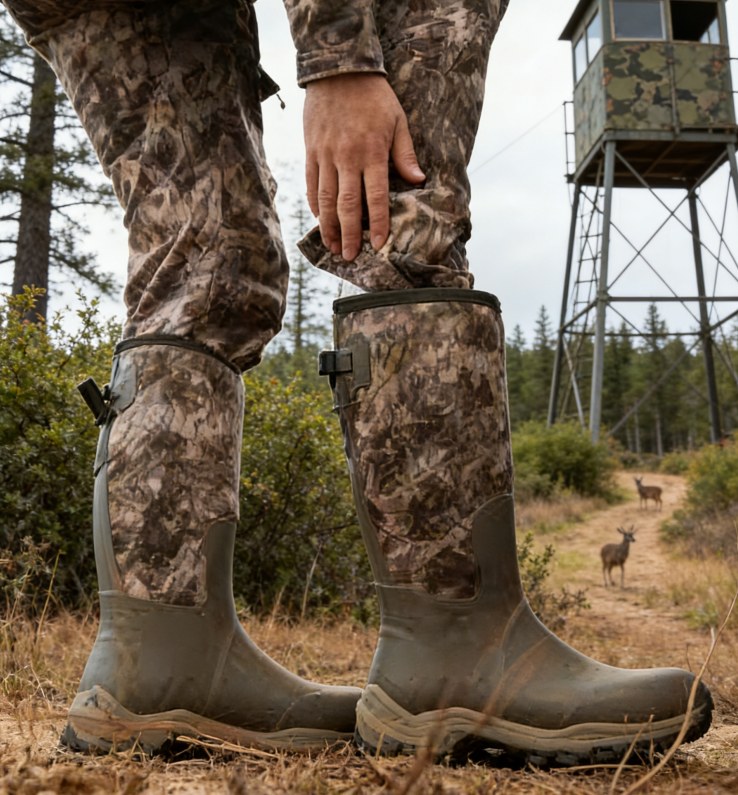
Check calf fit: Tall wetland hunting boots need a proper calf opening to prevent rubbing while moving through thick vegetation.
For scent control hunting boots, proper fit also helps maintain the integrity of scent-blocking liners, preventing material damage from overstretching.
5. Additional Practical Features to Consider
5.1 Boot Height
Choose boot height based on water depth in your hunting area. Mid-height boots work for damp mud and shallow dew, while knee-high wetland hunting boots are necessary for deep marshes and standing water over ankle level. Taller designs provide full protection against water and mud splashes.
5.2 Insulation
Match insulation thickness to local temperatures. Light insulation suits warm-season wetland hunting, while thick insulated wetland hunting boots keep feet warm in cold, frosty wetlands during late autumn and winter hunts.
Warm Neoprene Lining
5.3 Easy-Clean Design
Wetland boots get covered in mud after every hunt. Select smooth-surface boots that you can rinse clean quickly. Complex stitching and textured surfaces trap mud and are hard to maintain, which shortens the boot’s service life.
6. Maintenance to Extend the Lifespan of Your Wetland Hunting Boots
No matter how durable your wetland hunting boots are, regular maintenance is required to keep them in top shape.
Clean mud and debris right after each use, and rinse with cool water. Never let mud dry and harden on the surface.
Air dry boots in a shaded, ventilated area. Keep wetland hunting boots and scent control hunting boots away from direct sunlight, which damages neoprene, rubber and scent-blocking materials.
Check seams and soles regularly. Repair small cracks or loose parts immediately to prevent water leakage.
Reapply scent-neutralizing spray periodically for scent control hunting boots to refresh odor-blocking performance.
Final Conclusion
Choosing durable wetland hunting boots is all about balancing waterproofing, toughness, traction and comfort. For wetland environments with sensitive game, investing in premium scent control hunting boots is a smart choice to stay undetected.
Focus on high-quality materials, practical height, proper fit and reliable anti-slip soles when making your purchase. With the right pair and simple daily maintenance, your wetland hunting boots will serve you well for countless hunting seasons. Follow this guide, pick the perfect pair, and enjoy a safer, more successful wetland hunting experience.
Partner with Hengrun Outdoor. We combine 20 years of craftsmanship with modern manufacturing tech to deliver high-performance boots that meet global standards.