Introduction: The Unmatched Specialization of Rubber Hunting Boots
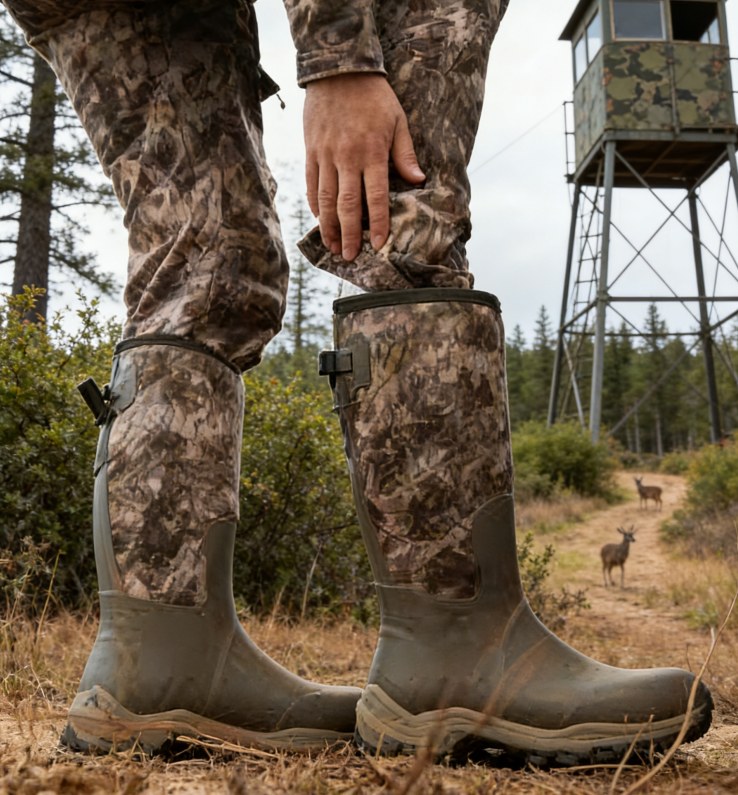
When the terrain turns to marsh, the weather to relentless rain, or the temperature plunges into freezing slush, many hunters reach for a tool as specialized as their rifle: the all-rubber hunting boot. Unlike hybrid leather-fabric boots, a true all-rubber boot—with its molded rubber upper and outsole, often lined with materials like Neoprene—offers one supreme advantage: absolute, guaranteed waterproofing.
This guide dives deep into the world of all-rubber hunting boots. We’ll explore their unique construction, ideal use cases, critical comfort considerations, and how to care for them. By the end, you’ll know exactly if this uncompromising boot type is the right weapon for your hunting arsenal.
Chapter 1: Anatomy of an All-Rubber Boot – Why It’s Built Different
The Shell: 100% Waterproof Rubber
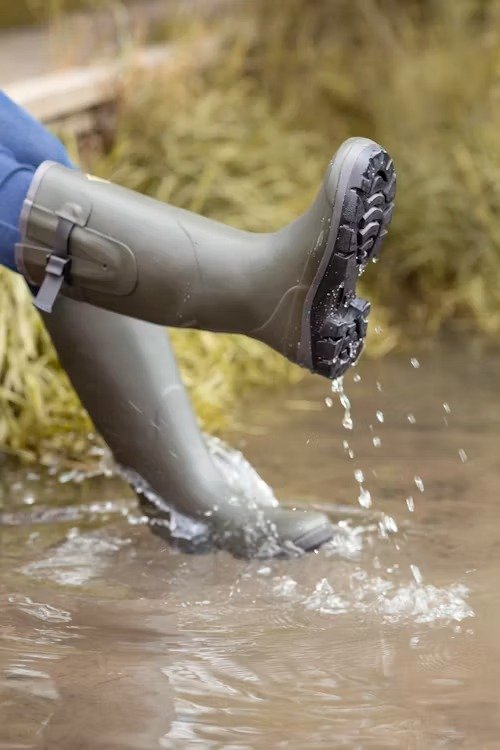
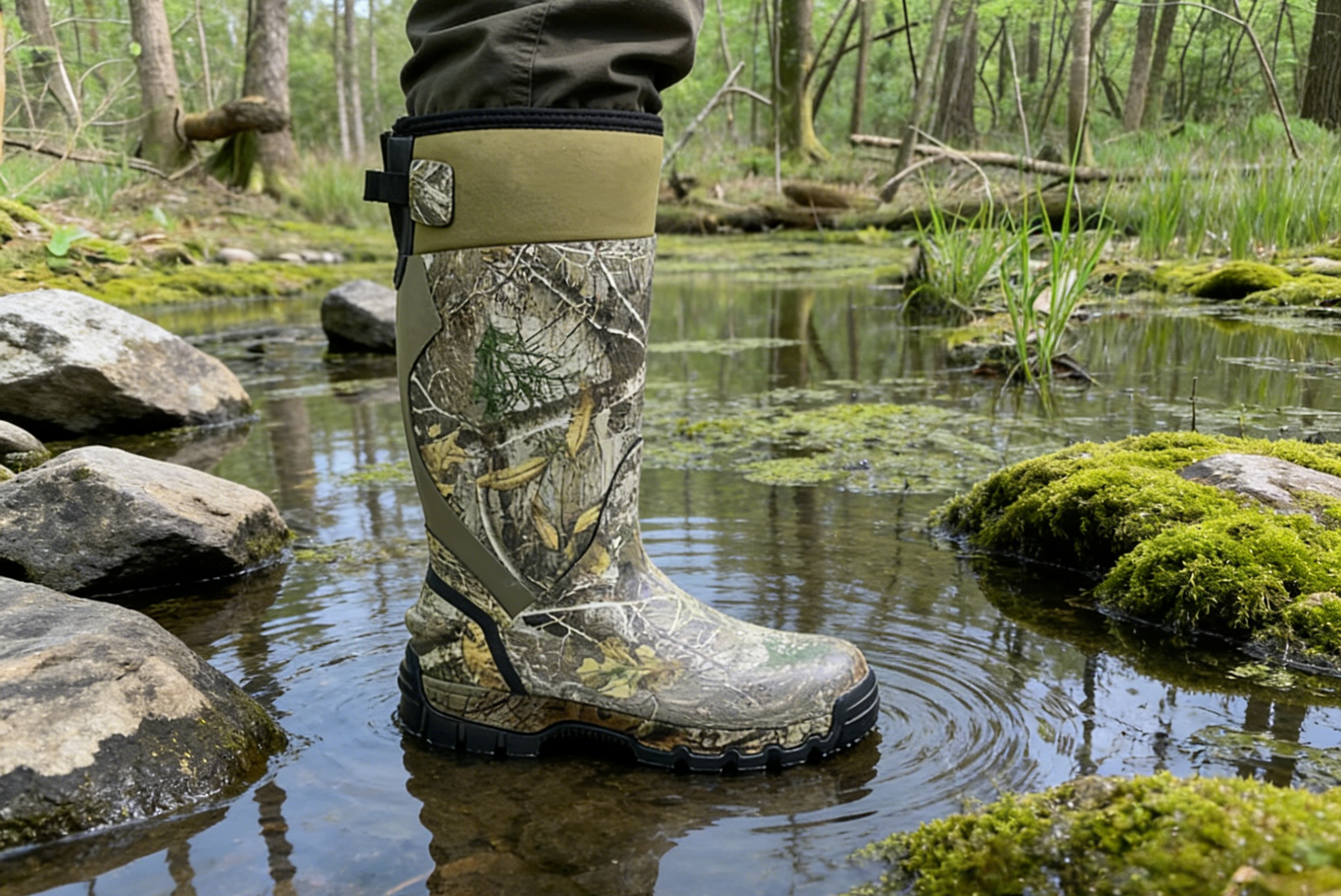
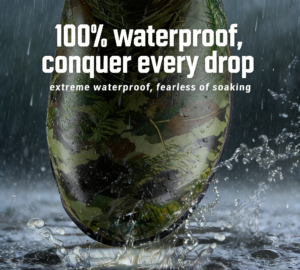
The entire upper and lower section is molded from liquid rubber into a single, seamless unit. This monoconstruction eliminates stitching, seams, or fabric panels—the primary failure points for water ingress in traditional boots.
Key Benefit: Impermeable barrier against water, mud, and blood.
Trade-off: Limited breathability compared to fabrics or leather.

waterproof rubber upper
The Lining: The Critical Comfort Layer
Since rubber doesn’t breathe, the lining manages moisture and provides insulation. The most common and effective lining is Neoprene (often branded as “Brushed Neoprene” or “Fleece-Lined Neoprene”).
What is Neoprene? A synthetic rubber foam (the same material used in wetsuits) known for its excellent insulating properties even when wet.
How It Works: The brushed interior feels soft against the skin and traps a layer of warm air. Neoprene’s closed-cell structure provides consistent insulation, which is crucial in cold, wet conditions where traditional insulation can clump and fail.
The Sole: Integrated for Traction
The outsole is typically molded as part of the rubber shell. Modern designs feature aggressive, self-cleaning lug patterns made from carbon-added rubber for durability and slip resistance in muddy and slippery conditions.
Chapter 2: Ideal Terrain & Season – Where Rubber Boots Reign Supreme
All-rubber boots are not “everyday” hunting boots. They are specialized tools for specific conditions.
Prime Environments:
Swamps, Marshes & Flooded Timber: This is their home turf. The high knee-length and complete waterproofing allow you to wade through standing water with confidence.
Rainy & Wet Spring/Fall Hunts: When persistent rain is forecast, rubber boots ensure dry feet all day, every day.
Cold, Wet Winters & Snow: Paired with heavy Neoprene insulation, they excel in wet snow and slush where leather boots can soak through and freeze.
Blood Trailing & Game Handling: Easy to clean and sterilize with a hose—a practical advantage after field dressing.
Less Ideal Environments:
Long-Distance, Dry Hiking: The weight and lack of breathability can lead to sweaty, fatigued feet on long, dry walks.
Extreme, Dry Cold: In sub-zero, dry conditions, breathable, insulated pac boots are often more efficient at managing foot moisture and retaining heat.
The Rule of Thumb: Choose all-rubber boots when external moisture is your primary enemy, not necessarily temperature or distance.
Chapter 3: Fit, Comfort & The Insulation Equation
Understanding Neoprene Insulation (in grams):
Insulation in rubber boots is almost exclusively Neoprene. The weight refers to the density of the foam, not a separate lining.
3.5mm / 400-600g: Light to moderate insulation. Suitable for early fall or spring in wet conditions (30-50°F / -1 to 10°C).
5mm / 800-1000g: Medium to heavy insulation. Ideal for late fall and winter hunts in wet, cold environments (20-40°F / -7 to 4°C).
7mm / 1200g+: Maximum insulation. For stationary hunting (tree stands, blinds) in freezing, wet weather (<20°F / -7°C).
The Non-Negotiable Fit Guide:
Size Up: You must size up to accommodate thick hunting socks and allow for proper blood circulation, which is critical for warmth. Many hunters go a full size or more over their street shoe size.
Sock System is Key: Wear a moisture-wicking liner sock (merino wool or synthetic) under a heavy wool or insulated sock. The liner manages sweat; the outer sock provides bulk and warmth.
Test Before You Hunt: Wear your full sock system indoors for an extended period. There should be no pinching, and your toes should have room to wiggle freely without touching the front.
Chapter 4: Care & Maintenance – Maximizing Longevity
Proper care is simple but vital for rubber boots.
| Do’s | Don’ts |
|---|---|
| Rinse with clean water after each use, inside and out, to remove mud, sweat, and salts. | Do NOT dry near direct, high heat (like a campfire, heater, or in direct sun on a hot surface). This will dry-rot and crack the rubber. |
| Air dry thoroughly, upside down with the cuff open, in a cool, shaded, well-ventilated area. | Do NOT use petroleum-based products (like Armor All) on the exterior, as they can degrade the rubber. |
| Use a rubber conditioner (like 303 Protectant) on the exterior 1-2 times per season to prevent UV damage and keep the rubber pliable. | Avoid storing in damp, enclosed spaces where mold can grow on the Neoprene lining. |
| Use a boot dryer with no heat or very low heat to ensure they are completely dry inside before storage. |
Conclusion: The Strategic Choice
All-rubber hunting boots with Neoprene lining are the special forces of footwear: unparalleled for their specific mission of dominating wet, cold, and muddy environments. They trade versatility for absolute, dependable performance in the elements they’re built to conquer.
Ask yourself before buying:
Will I be hunting in consistently wet or swampy conditions?
Is keeping my feet 100% dry from external water my top priority?
Am I prepared to manage the fit and care requirements specific to rubber boots?
If you answered “yes,” then a quality pair of all-rubber, Neoprene-lined boots may be your most valuable piece of gear, turning miserable conditions into a successful, comfortable hunt.
Looking for recommendations? Explore our curated selection of tested all-rubber hunting boots, where we break down the best options for different insulation levels and budgets. View our top picks here.