If you work on a farm or spend long hours outdoors, a reliable pair of rubber boots isn’t just a purchase—it’s an investment in your safety and comfort. Designed to shield your feet from mud, water, manure, and sharp debris, the right boots provide stability on slippery terrain and keep you dry through the wettest chores.
With countless options on the market, finding the perfect pair can feel overwhelming. This guide breaks down the different types of farm footwear available and provides expert tips to help you select the best rubber boots tailored to your specific agricultural needs.
Types of Rubber Boots and Their Best Uses
Choosing the right boot starts with understanding the specific demands of your work environment. Here are the most common types of rubber boots and where they excel.
1. Standard Rubber Boots
Standard rubber boots are the workhorse of the agricultural world. They are the go-to choice for general farm work due to their high resistance to water, mud, and manure.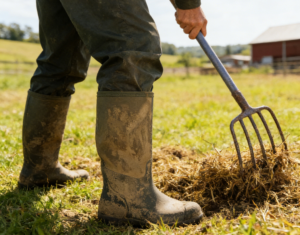
-
Material & Construction: Typically made from natural rubber , these boots offer 100% waterproof protection.
-
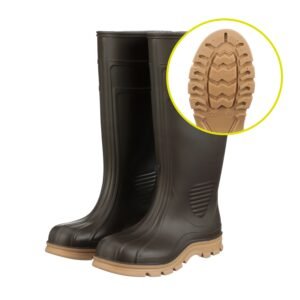
Key Features: When selecting these, prioritize a deep, aggressive tread pattern. This is your primary defense against slips and falls on wet grass or muddy feedlots. Look for boots with reinforced toes and heels to withstand daily wear and tear and protect against accidental impacts.
2. Rubber Buckle Boots
For farmers who struggle with fit or need quick-changing footwear, rubber buckle boots are an excellent solution.
-
Material & Construction: Similar to standard boots but featuring an adjustable buckle closure system.
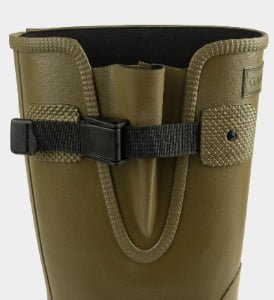
Buckle Rubber Boot -
Key Features: The adjustable buckle is a game-changer for those with wider calves, ensuring a secure and comfortable fit that won’t slip down. They are also ideal for tasks that require frequent removal, such as transitioning from barn chores to truck driving. Ensure the buckles are made of sturdy, rust-resistant hardware. Some models also include adjustable ankle straps for an even more customized, slip-free fit.
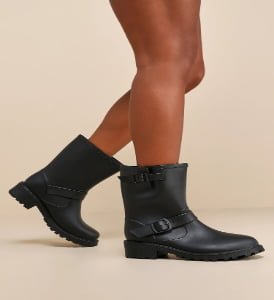
Buckle Rubber Boots
3. Insulated Farm Rubber Boots
As the name suggests, these boots are purpose-built for the rigors of agricultural work, often in cold or hazardous conditions.
-
Material & Construction: Usually constructed from a blend of rubber and neoprene, which provides both flexibility and natural insulation.
-
Key Features: Look for built-in insulation (like neoprene) to keep your feet warm in cold weather. For heavy-duty tasks, many farm boots come equipped with steel toe caps or metatarsal guards to protect against heavy livestock or equipment. A comfortable, cushioned insole and breathable lining are crucial here, as they reduce fatigue during long shifts and prevent the buildup of sweat and odor.
4. Rubber Logging Boots
Designed for the extreme demands of the logging industry, these are the most heavy-duty boots on the list and are suitable for any job involving heavy machinery or dense woodland.
-
Material & Construction: Made from high-grade rubber or tough neoprene, built to withstand punctures and tears.
-
Key Features: Safety is paramount. These boots almost always include steel toe caps, puncture-resistant soles, and reinforced ankle support. The puncture-resistant sole is vital for protecting against sharp tools and branches on the forest floor. When choosing logging boots, prioritize models with high-cut ankles for stability and deep, self-cleaning treads to prevent falls on loose soil or wet logs.
-
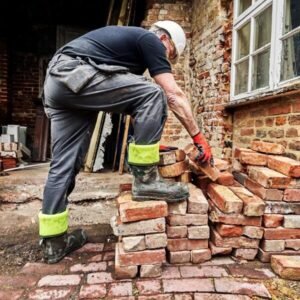
How to Choose the Best Rubber Boots for Farm Work
Now that you know the types, here are the critical factors to consider to ensure your boots perform well and last long.
-
Comfort for Long Hours You will be on your feet all day. Discomfort leads to fatigue, which leads to reduced productivity. Always choose boots with adequate support. Look for features like cushioned insoles, arch support, and a proper fit. A boot that is too loose will cause blisters, while one that is too tight will restrict circulation.
-
Built to Last (Durability) Farm work is tough. Your boots interact with harsh chemicals, rough terrain, and heavy impacts. Invest in boots made from high-quality materials with reinforced toes and heels. Seams should be well-sealed, and the rubber should be thick enough to resist punctures but flexible enough for comfortable movement.
-
100% Waterproofing This might seem obvious, but waterproofing quality varies. For working in wet pastures, puddles, or cleaning stalls, you need a boot that guarantees dryness. High-quality rubber or neoprene construction is your best bet for ensuring that moisture stays out, keeping your feet healthy and dry.
-
Traction and Safety (Tread Pattern) The tread pattern on the outsole is arguably the most important safety feature of a farm boot. On a farm, surfaces can be treacherously slick. A deep, multi-directional, and aggressive tread pattern is essential. This design channels mud and water out from under your foot, allowing the rubber to maintain direct contact with the ground and provide maximum traction.
Farm Footwear